Crocodiles in Puerto Vallarta
American crocodiles live where fresh water meets the sea around the bay. Where they are, what happened in 2026, and the simple rules that keep you safe.
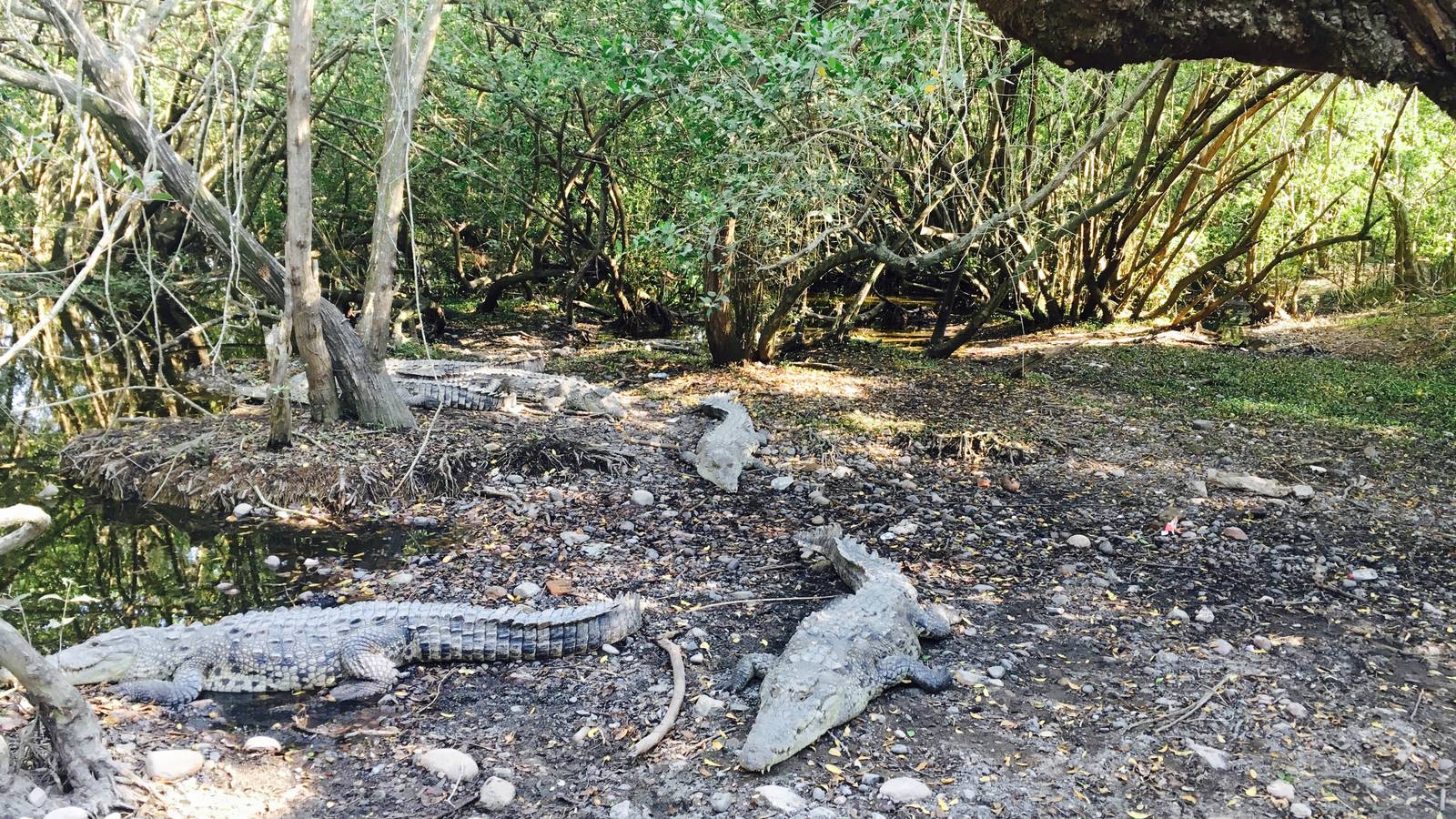

Banderas Bay has a wild population of American crocodiles, a protected species that lives in the mangroves, estuaries, river mouths and marina canals around the city — above all near the airport and Marina Vallarta. They usually keep out of sight, but they do stray onto beaches, especially in the breeding season and after heavy rain. In June 2026 a visitor died after an attack on a beach in Marina Vallarta, an event the Jalisco government described as unusual and isolated. Crocodiles are not a reason to avoid Puerto Vallarta; they are a reason to read the flags and keep away from river mouths.
At a glance
| Species | American crocodile, Crocodylus acutus; under special protection in Mexico |
|---|---|
| Size | Adults usually 3–4 m; most animals in the bay are juveniles |
| How many | Estimates range from about 260 to 350 in the bay, around 60 of them in the El Salado estuary |
| Riskiest spots | River mouths and estuaries: Boca de Tomates (Ameca river), Boca Negra and the Marina Vallarta canals, Playa del Holi (Pitillal river) and, at times, the mouth of the Río Cuale |
| Most active | From dusk to dawn, roughly 6 p.m. to 7 a.m. |
| Warning | Purple flag: dangerous wildlife. Red flag: no swimming. Emergencies: 911 |
Where they live
- El Salado estuary — about 200 hectares of mangrove between Marina Vallarta and the Hotel Zone, protected by the city since 2000 and a state park since 2020, joined to the sea by a canal about 2 km long. Around 60 crocodiles live there.
- River mouths — Boca de Tomates, where the Ameca river meets the sea by the airport; Boca Negra, in Marina Vallarta; the mouth of the Pitillal river at Playa del Holi; and the Río Cuale, between downtown and Old Town.
- Canals and ponds — the marina canals of Marina Vallarta and the golf-course ponds next to them.
- The Nayarit side — development in Nuevo Vallarta and Bucerías has cut crocodiles off from the El Chino and El Quelele estuaries, a local biologist told the press, so some now stay in the sea; sightings on those beaches have led to purple flags and captures.
From December to June, during the breeding season, dominant males become territorial and push weaker animals out of the estuaries, which is when more turn up on beaches.
What happened in 2026
- 26 June: a 28-year-old visitor from Mexico City died after a crocodile seized him at the water's edge on a beach in front of a Marina Vallarta resort, near the Boca Negra estuary, at around 6 to 6.30 p.m. Reports differ on whether he was swimming or standing at the shoreline. The navy captured the crocodile and recovered his body the next morning. The Jalisco government called the attack "extremely regrettable" and "unusual and isolated".
- Through the summer: Puerto Vallarta's civil protection reported two attacks on people in 2026, as well as attacks on pets, and 21 crocodiles found outside their habitat were relocated in the first half of the year. In August, sightings led to red and purple flags at several beaches between the Cuale river mouth and Marina Vallarta, and eleven dead crocodiles were found around the bay, one of them beheaded inside El Salado.
- September: a crocodile was captured on Avenida Ejército, a city street, after two others were taken in Marina Vallarta. The state government is studying moving crocodiles from tourist areas into El Salado, and a joint federal, state and city crocodile unit is being set up.
Earlier incidents give context: in July 2025 a crocodile of about 4 m was captured off Nuevo Vallarta after days of monitoring, and in August 2025 a video of a crocodile lunging at a young man on a Puerto Vallarta beach, who escaped unhurt, went viral.
Rain, floods and crocodiles
Heavy rain swells the rivers, estuaries and canals and pushes crocodiles out of them. In July, August and September 2026, crocodiles turned up in the flooded streets of the Las Mojoneras neighbourhood and were caught by civil protection. After any storm — including the rains forecast with Hurricane Simon — stay out of floodwater and away from canals and river banks, and report any crocodile to 911.
How to stay safe
This is the official advice from Jalisco's government, civil protection and Profepa, Mexico's environmental agency:
- Read the flags. A purple flag means dangerous wildlife; a red flag means no swimming. Obey signs and lifeguards. See beaches for the full flag system.
- Stay out of the water near estuaries, river mouths and canals, especially at dawn, at dusk and at night.
- Keep your distance — at least 10 m — and never feed a crocodile.
- Don't pose at the water's edge with your back to the sea, and don't walk along estuary banks at night or at dawn.
- Keep children close and dogs on a lead near the water.
- If you see one, move away slowly, without sudden movements, and call 911.
Most of the city's swimming is at sea beaches away from the river mouths; for safe swimming spots, see beaches and is Puerto Vallarta safe?
Seeing crocodiles safely
- El Salado estuary runs guided boat trips of about 90 minutes through the mangroves on weekday and Saturday mornings and early afternoons; published schedules differ, so confirm times before you go.
- Cocodrilario El Cora, a crocodile sanctuary near Bucerías, about 15 minutes north of the airport off Highway 200, offers boat tours. The prices we found are years old; check locally.
- The Ameca river mouth at Boca de Tomates is also home to a sea-turtle camp; see sea-turtle releases, and keep to the paths there at dusk.
A protected species
The American crocodile is listed for special protection under Mexico's endangered-species standard, NOM-059-SEMARNAT-2010. Harming or killing one is a federal crime, punishable by one to nine years in prison. If you find an injured or dead crocodile, report it to 911 or to Profepa.
Frequently asked
Are there crocodiles in Puerto Vallarta?
Yes. American crocodiles live in the estuaries, river mouths and marina canals around Banderas Bay, mostly near the airport and Marina Vallarta, and occasionally stray onto beaches. Estimates put the population at about 260 to 350.
Is it safe to swim in Puerto Vallarta with crocodiles?
At sea beaches away from river mouths, with no purple or red flag, swimming is generally fine. Stay out of the water near estuaries, river mouths and canals, especially from dusk to dawn, and follow the lifeguards.
What does a purple flag mean on Puerto Vallarta beaches?
Dangerous wildlife, such as crocodiles or jellyfish, has been seen. It is often raised with a red flag, which means no swimming.
Where have crocodiles been seen on Puerto Vallarta beaches?
Mostly near river mouths and estuaries: Boca de Tomates by the airport, Boca Negra and Marina Vallarta, Playa del Holi at the Pitillal river, and at times the mouth of the Río Cuale. Sightings also occur on the Nuevo Vallarta and Bucerías side.
Where can you see crocodiles safely near Puerto Vallarta?
On a guided boat trip in the El Salado estuary, between Marina Vallarta and the Hotel Zone, or at the Cocodrilario El Cora sanctuary near Bucerías. Confirm times and prices before you go.
Latest articles
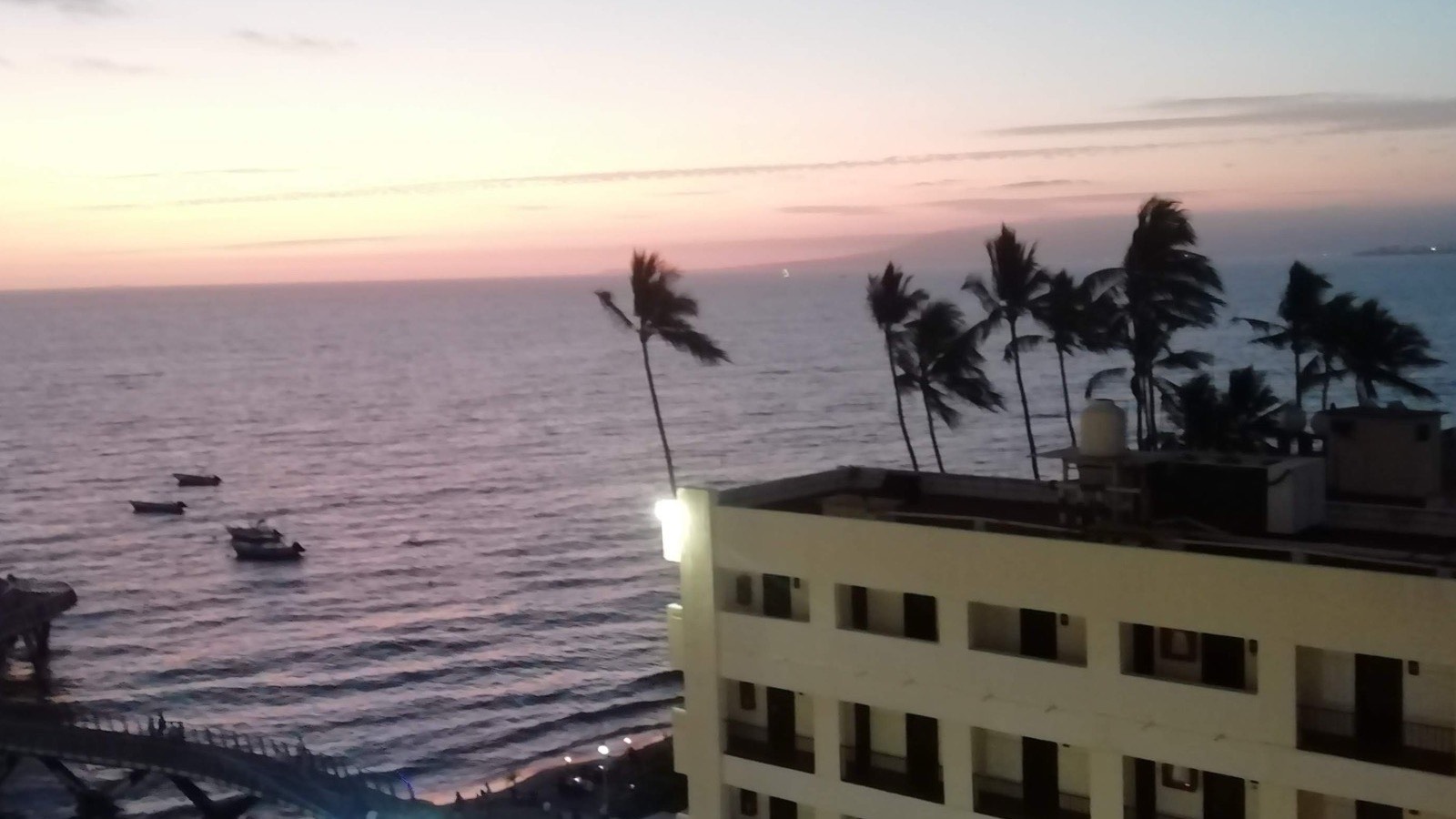
Puerto Vallarta Time Zone
Central time, UTC−6, all year round: Mexico dropped daylight saving time in 2022. Here's what that means for…
Read →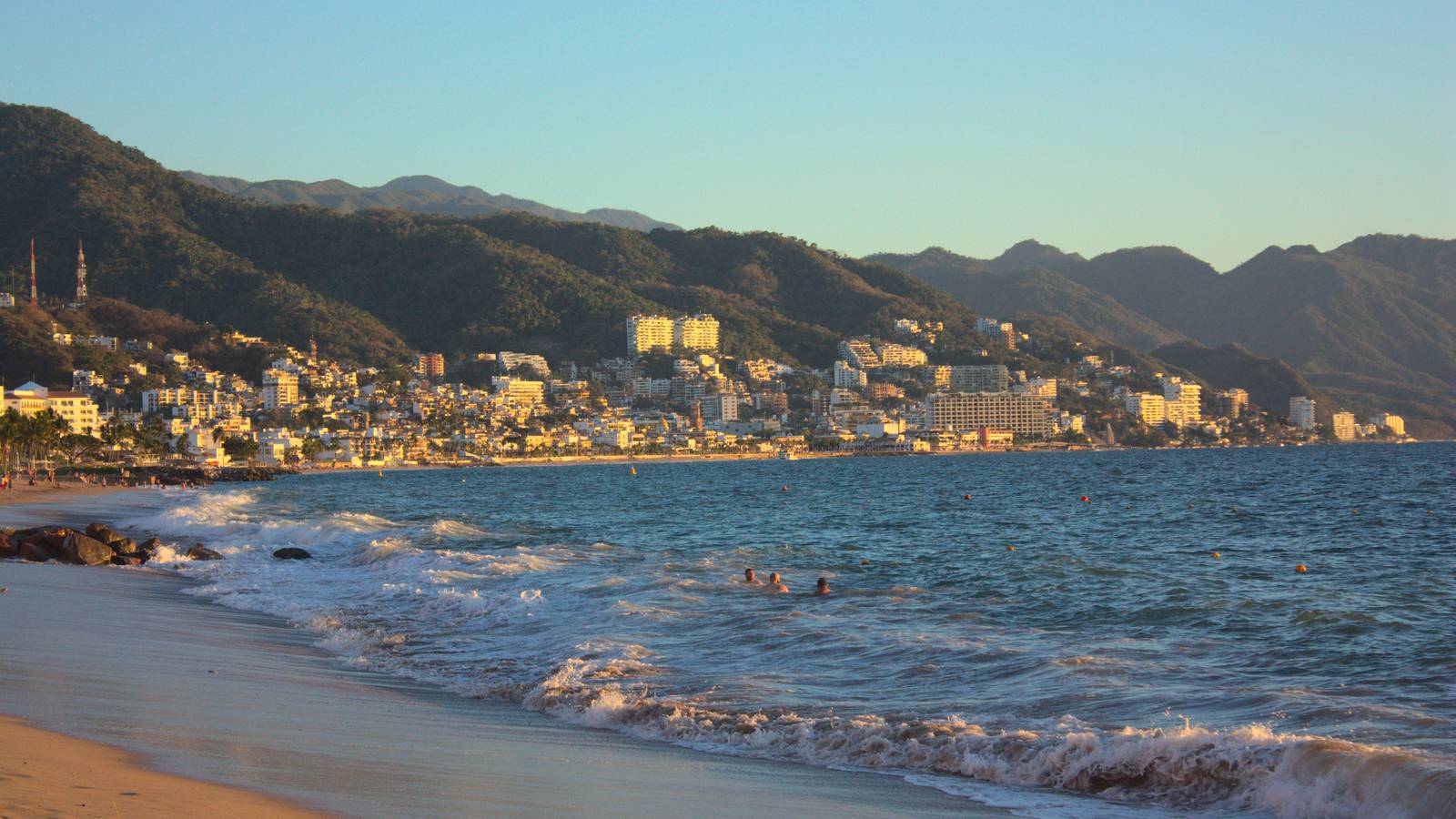
Airbnb and Vacation Rentals in Puerto Vallarta
Thousands of condos and apartments, most of them in Old Town. Where to rent, what it costs, the taxes and…
Read →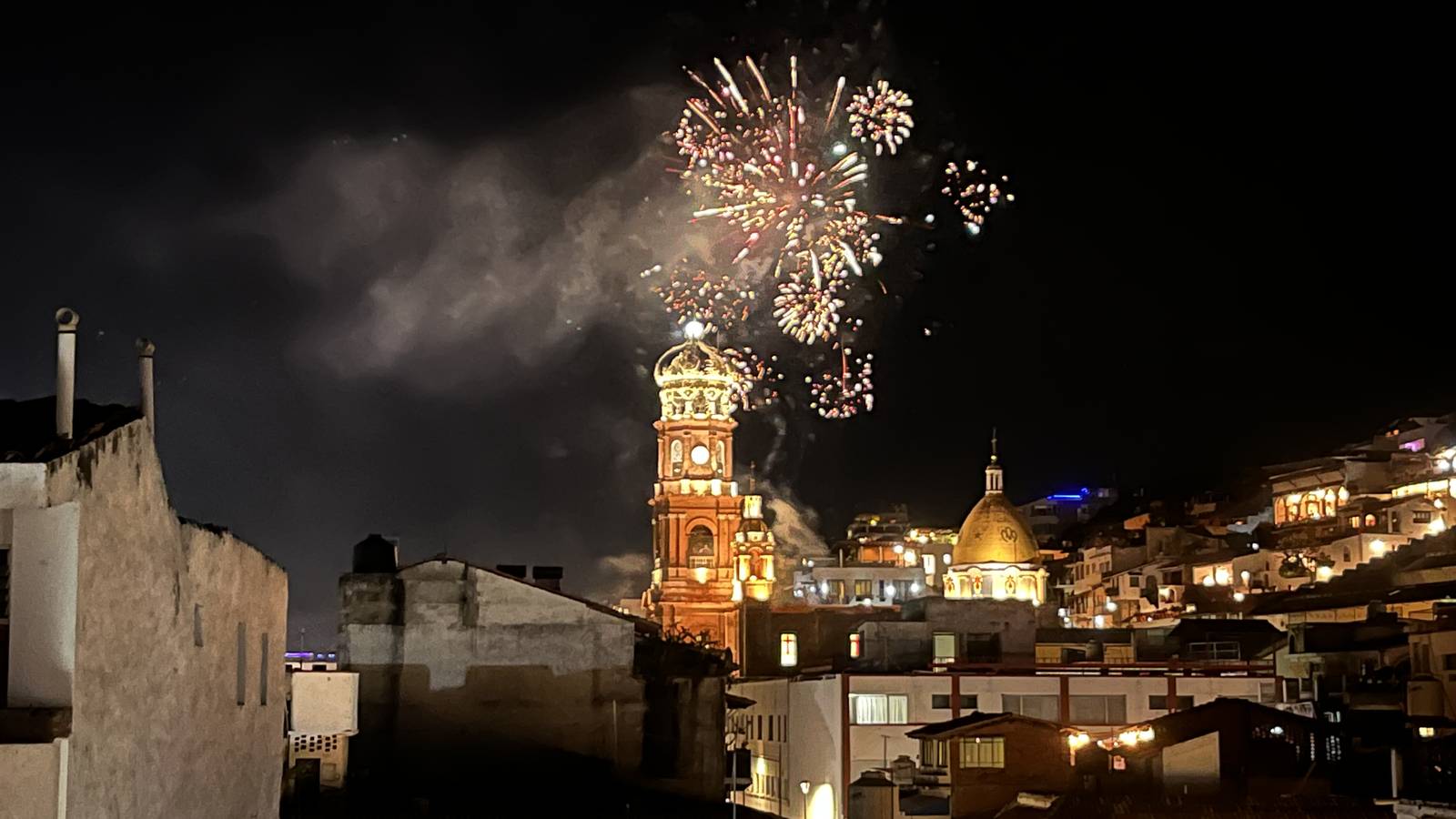
Christmas and New Year in Puerto Vallarta
Processions, posadas, a giant tree on the pier and fireworks over the Malecón — what the holidays look like…
Read →