What to Eat and Drink in Puerto Vallarta
The dishes and drinks of the Pacific coast and Jalisco: what to order, where each comes from, and how to eat seafood and street food sensibly.
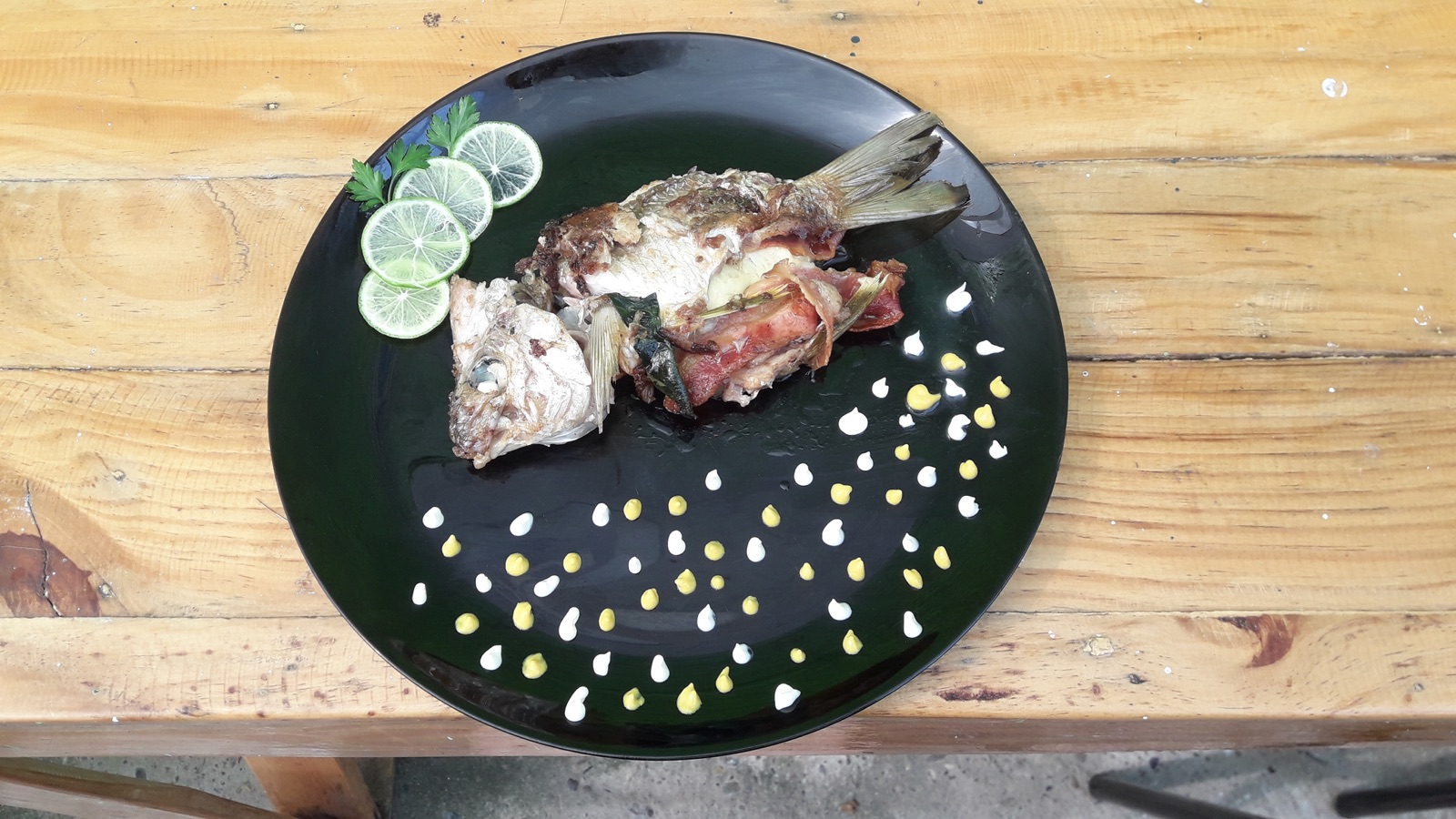

Puerto Vallarta's food comes from two directions. From the coast, and from Nayarit and Sinaloa to the north, it gets grilled fish, ceviche and aguachile. From inland Jalisco it gets birria, the torta ahogada and, of course, tequila. Here's what to order, where each dish comes from, and what the health advice says about the raw seafood. For where to eat it, see our guides to eating in Zona Romántica and food tours.
From the sea
Pescado zarandeado
Mexico News Daily calls it "hands down the most famous dish in Puerto Vallarta" and the wider bay. A whole fish, usually red snapper (huachinango) or sea bass (róbalo), is split open, marinated and grilled over charcoal in a hinged wire basket, the zaranda. The classic marinade is achiote, garlic, lime, salt and pepper; many cooks now add mustard, mayonnaise or Worcestershire sauce. The method comes from Mexcaltitán, an island town in Nayarit, where the Indigenous Totorame people developed it. It comes with rice, tortillas and salsa, and one fish is usually shared.
Ceviche and aguachile
- Ceviche: raw fish or shrimp "cooked" in lime juice. The Nayarit style, the one you'll see most here, is finely minced, and its giveaway is grated carrot.
- Aguachile: raw shrimp in lime juice and chile, with cucumber and red onion. It comes from Sinaloa, where the shrimp version spread in the 1970s with the shrimp industry. It is meant to be hot.
Puerto Vallarta's Festival del Ceviche y Aguachile, held each July, reached its 20th edition on 26 July 2026, with more than 45 versions to taste.
Smoked marlin and fish on a stick
- Smoked marlin (marlín ahumado) is a Mazatlán speciality that's everywhere here, in tacos and on tostadas, often as the starter before a zarandeado. It's firmer than smoked salmon.
- Pescado embarazado, or envarasado, is fish grilled on a stick over a fire for 20 to 30 minutes, sold on the beaches with lime, salt and Huichol hot sauce.
- Shrimp season: Mexico closes the Pacific wild-shrimp fishery each spring and reopens it in September, so autumn and winter are the time for fresh wild shrimp.
Raw seafood: what the health advice says
The US Centers for Disease Control and Prevention (CDC) advises travellers to avoid raw or undercooked seafood, and names dishes "cooked" in citrus juice, such as ceviche, specifically. That covers aguachile too: lime changes the texture of the fish, but it doesn't make it safe the way heat does. Locals and visitors eat both every day, so it's your call. If you do, choose a busy place where the seafood turns over fast, and eat it at lunch. The CDC's general food advice is stricter than what most visitors follow; we cover ice, salads and tap water in drinking water.
From inland Jalisco
| Dish | What it is | Where it comes from |
|---|---|---|
| Birria | Meat stewed with ancho, guajillo and pasilla chiles, bay, cumin, cloves and oregano; served with its broth. Traditionally goat, now often beef. A morning dish at stands and markets. | Cocula, Jalisco, from the 16th century |
| Torta ahogada | A crusty birote roll filled with carnitas and "drowned" in chile de árbol and tomato sauce. Messy by design. | Guadalajara, usually credited to a vendor of the 1920s |
| Tacos al pastor | Pork shaved from a vertical spit, with pineapple. An evening taco-stand staple. | Mexico-wide |
| Chilaquiles | Fried tortilla pieces in red or green salsa, with cream, cheese and onion, often with eggs or chicken. The classic breakfast. | Mexico-wide; the name is from Nahuatl |
Street food and markets
The Malecón and the squares fill with stands from late afternoon. Look for corn, either on the cob with cream and cheese or grilled with lime and chile, and esquites, the same in a cup. There's also shrimp on skewers, coconut water, tamales, churros, mango with lime and chile, and nieve de garrafa, a hand-churned sorbet. In Yelapa, vendors sell Yelapa pie by the slice on the beach: coconut, chocolate, banana, lemon meringue or pecan.
The Mercado Río Cuale, in its current building since 1979, has food stalls serving pozole, gorditas and café de olla, spiced coffee brewed in a clay pot. The CDC's advice is that food served steaming hot, cooked in front of you, is the safest street food.
Drinks
Tuba and tejuino
- Tuba is made from the sap of the coconut palm. Filipino sailors on the Manila galleons brought the technique to Mexico's west coast in the 17th century. On the Malecón it's sold topped with diced apple, walnuts and pineapple juice.
- Tejuino is a cold drink of fermented corn dough and piloncillo, unrefined cane sugar, served over ice with lime and chile.
Raicilla
Raicilla is the local agave spirit, and since 2019 it has had its own denomination of origin. It can only be made in 17 municipalities: 16 in Jalisco, including Puerto Vallarta, Cabo Corrientes, Mascota and San Sebastián del Oeste, plus Bahía de Banderas in Nayarit.
- Agaves: five species are allowed, including Agave maximiliana and angustifolia. Blue agave, the tequila plant, is excluded.
- Strength: between 35% and 55% alcohol.
- Two styles: on the coast, around Cabo Corrientes, it's pit-roasted and distilled in Filipino-style stills. In the sierra, around Mascota and San Sebastián, it's made mainly from lechuguilla (maximiliana), roasted in above-ground ovens.
Puerto Vallarta's Damajuana Raicilla Fest is held in March on Isla Cuale; the 2026 edition ran from 13 to 15 March, free, for over-18s.
Tequila
Tequila was Mexico's first denomination of origin, in 1974. It covers 181 municipalities in five states, most of them in Jalisco, and must be made from blue Weber agave. Since 2026, 24 July has been Mexico's national Tequila Day. Tastings are sold all over town; a good one explains the labels:
| On the label | What it means |
|---|---|
| 100% agave | Made only from blue Weber agave |
| Tequila (no "100%") | At least 51% agave, up to 49% other sugars; often called mixto |
| Blanco | Unaged, or rested for up to 60 days |
| Reposado | At least two months in oak |
| Añejo | One to three years in oak |
| Extra añejo | At least three years in oak |
Food festivals through the year
| When | Festival |
|---|---|
| March | Vinoma Fest, wine and food pairing at the cruise terminal (5–7 March in 2026), and the Damajuana Raicilla Fest |
| May–June | Restaurant Week: set menus at fixed prices |
| July | Festival del Ceviche y Aguachile |
| Early October | Vallarta Nayarit Gastronómica, chefs from both sides of the bay (4–7 October in 2026) |
| November | Festival Gourmet International (12–22 November 2026), and the International Day of Raicilla in Mascota (28–29 November in 2025) |
For everything else that's on, see the events calendar.
Latest articles
Puerto Vallarta Transport Cost Estimator
What it costs to get around Puerto Vallarta and Banderas Bay — by bus, Uber, taxi or water taxi — with the…
Read →
Puerto Vallarta Trip Budget Calculator
Work out what your trip will cost — in total, per person and per day — from a guesthouse budget to a resort…
Read →
Puerto Vallarta Map
The city, the beaches, the boat-only coves and the towns around Banderas Bay on one map — each linked to its…
Read →