The Beaches of Puerto Vallarta
One bay, very different beaches — from the party of Los Muertos to coves you can only reach by boat.
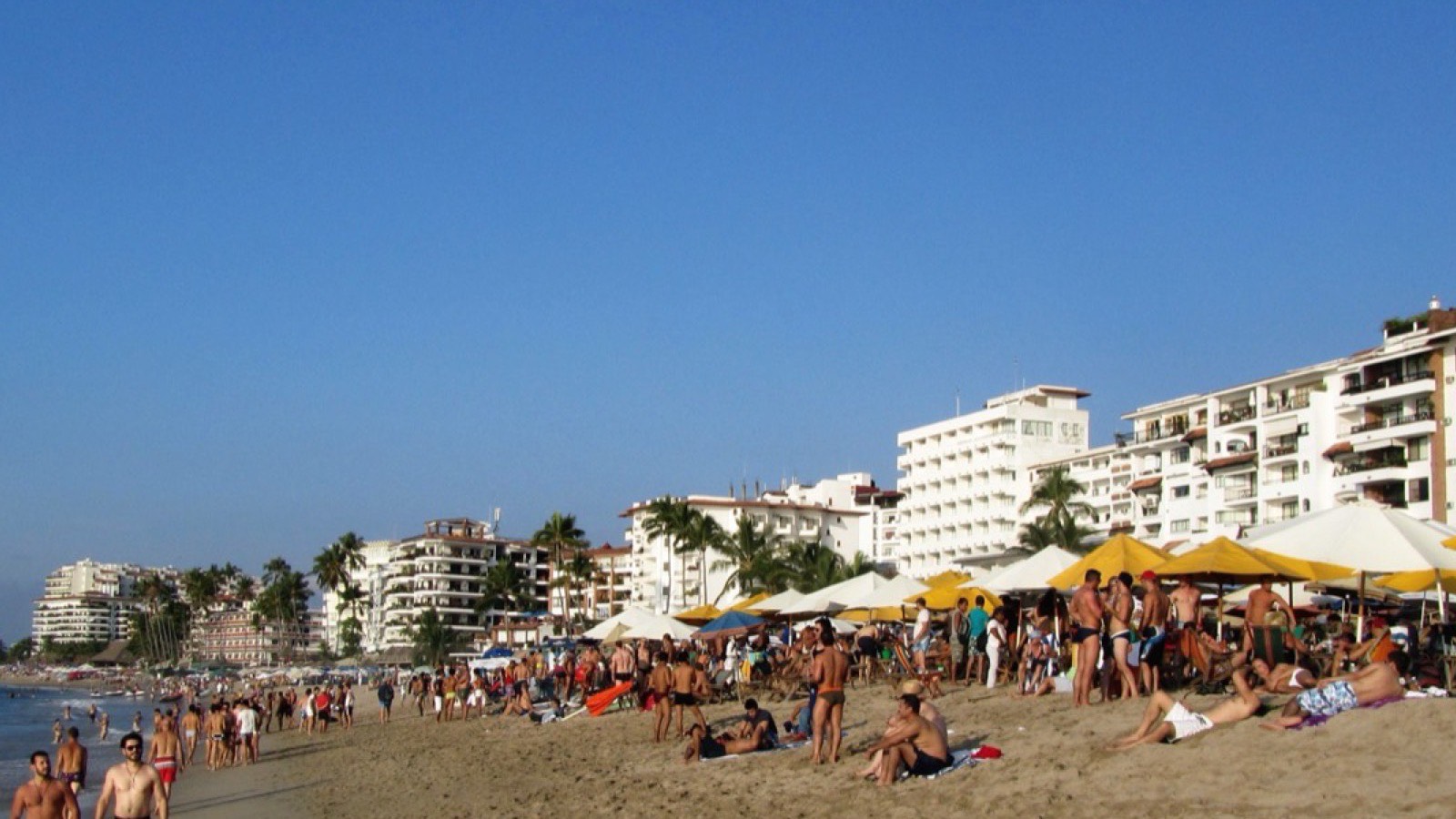
Puerto Vallarta sits on Banderas Bay, one of the largest bays in Mexico, and its beaches change completely as you move around the shore. The town beaches are lively and walkable; head north for wide resort sand, or south for dramatic coves reachable only by boat. Here's how to choose, and our detailed guides to each.
Town beaches — lively and walkable
Playa Los Muertos in Zona Romántica is the busy, sociable heart of the scene: beach clubs, vendors, the pier, and the busiest stretch of sand in the city. Just south, Playa Conchas Chinas is a series of small rocky coves with calmer, clearer water — quieter and prettier for swimming, a short ride from Old Town.
The Hotel Zone — wide resort sand
North of downtown, the Hotel Zone has the widest, calmest beaches, fronted by the big all-inclusive resorts. Good for long walks and easy swimming, less so for atmosphere — there's little to walk to beyond the resorts.
The south shore — boat-only coves
The most beautiful beaches are the ones you can't drive to. Las Ánimas, Quimixto, Majahuitas and the village of Yelapa line the wild southern shore, reachable by water taxi from Los Muertos pier or Boca de Tomatlán. These are the beaches for a real escape — jungle behind, clear water in front, and no road.
Our beach guides
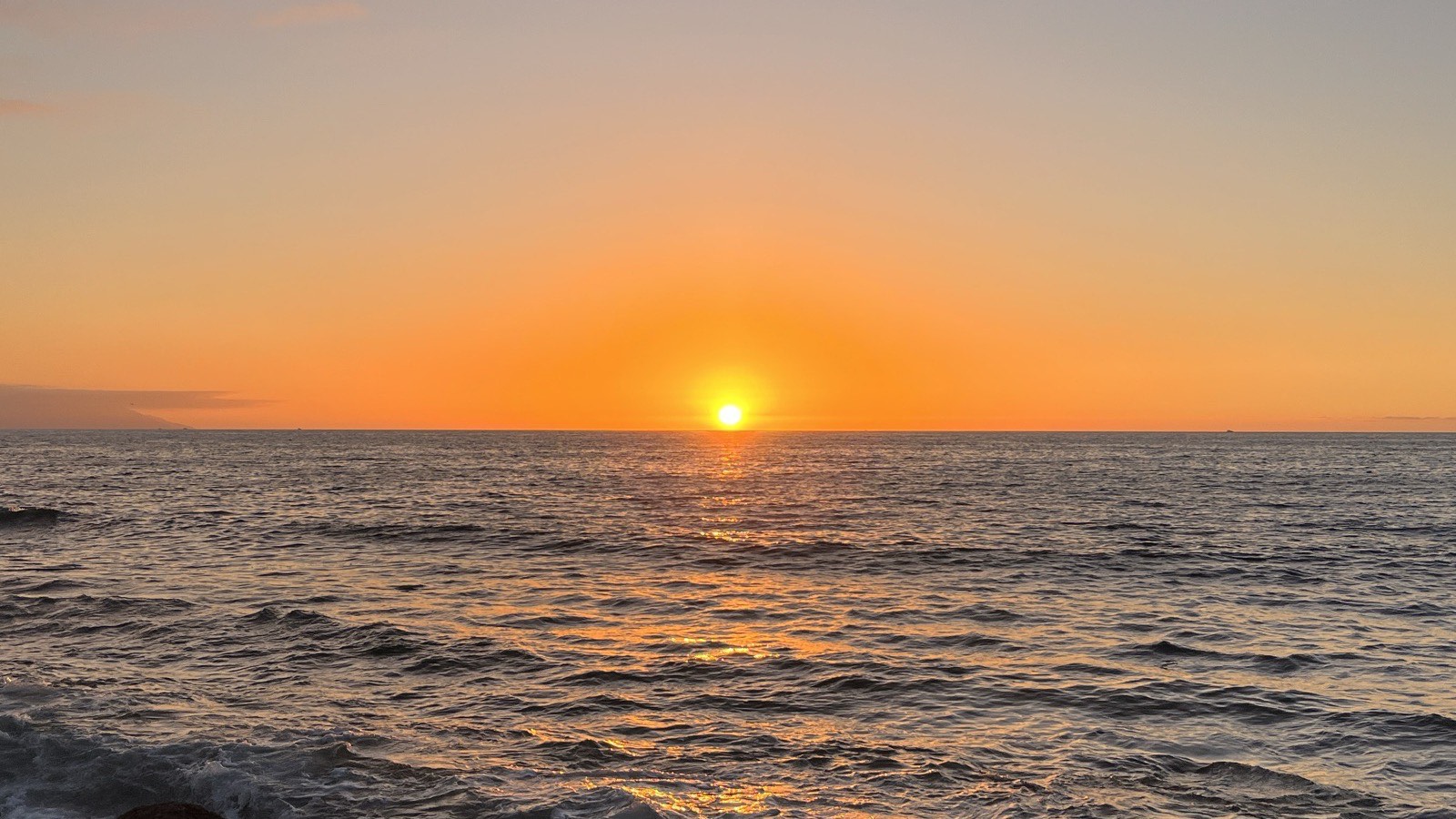
Playa Conchas Chinas
Calm, clear rocky coves south of Old Town.
Read →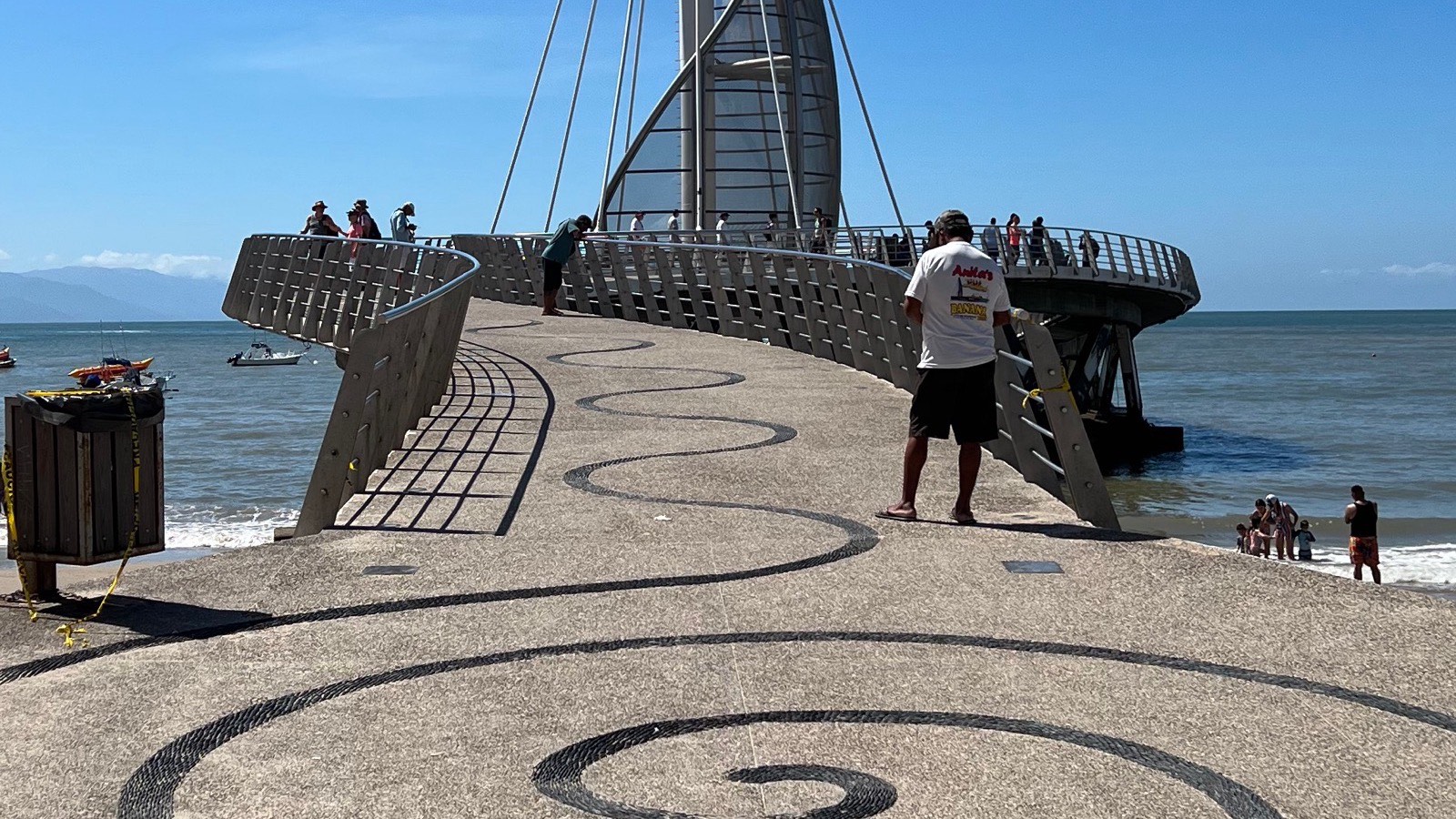
Playa Los Muertos
The city's liveliest beach, beach clubs and the pier.
Read →
Yelapa
Boat-only village with waterfalls and a slow beach.
Read →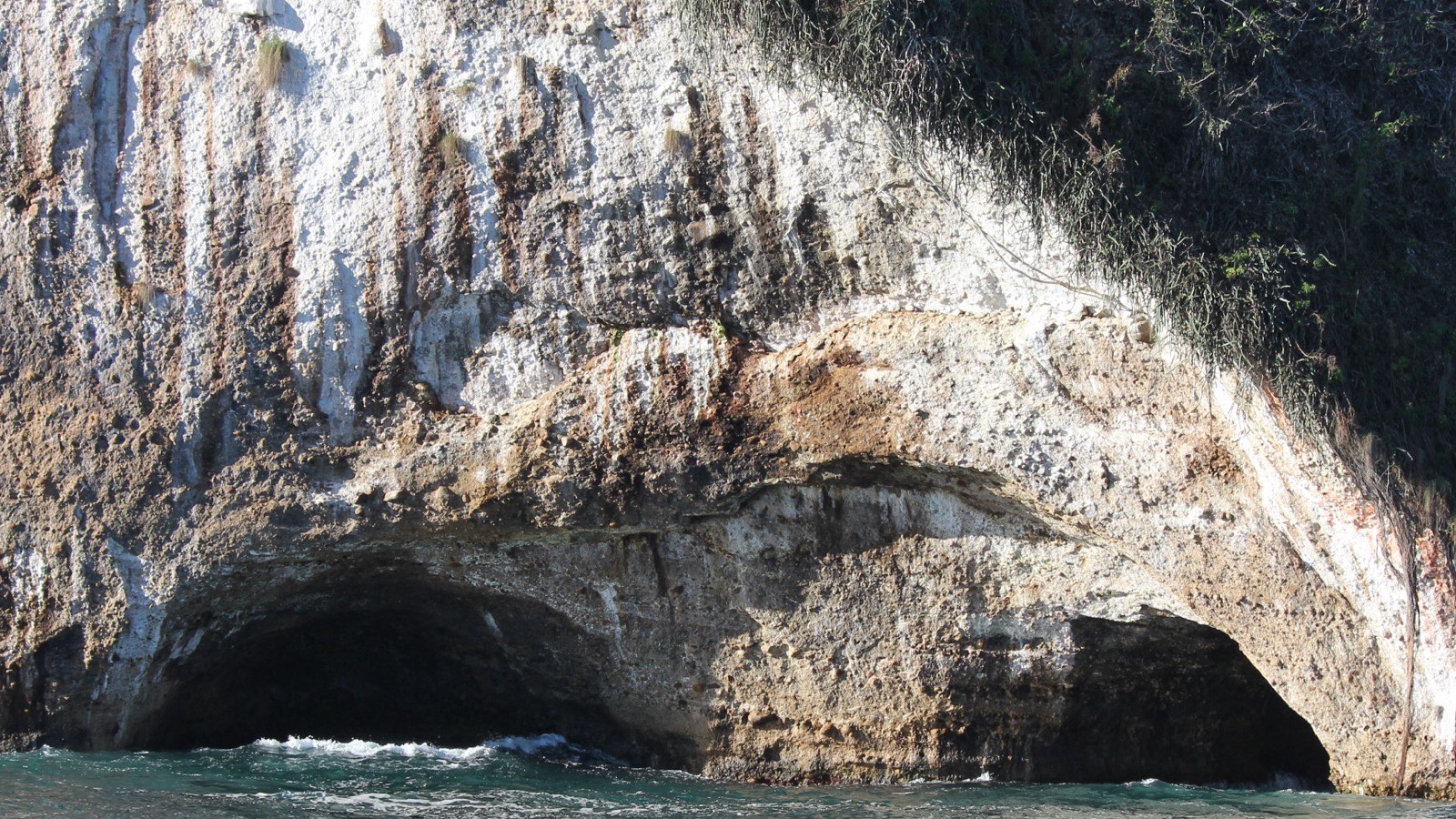
South-shore trips
How to reach Las Ánimas, Quimixto and the coves.
Read →Beach safety
The Pacific is not a calm sea. Watch the flag system, respect rip currents, don't swim after drinking, and keep valuables off the sand. More in is Puerto Vallarta safe?
Which beach for which day
| You want… | Go to | Getting there |
|---|---|---|
| Atmosphere, beach clubs, people-watching | Playa Los Muertos | Walk from Old Town |
| Calm, clear water for a swim | Conchas Chinas | Short taxi or bus south |
| Wide sand and easy swimming | Hotel Zone beaches | Bus or taxi north |
| A proper escape | South shore coves | Water taxi from Los Muertos or Boca |
| Surf | Sayulita | Bus, about an hour north |
| Long quiet walks | Bucerías | Bus or Uber, 30–40 min |
Understanding the water
Banderas Bay is large and open to the Pacific, and conditions vary a lot along it. The open stretches — Los Muertos and the Hotel Zone — get real surf and rip currents, especially in the green season. The sheltered spots — Conchas Chinas, the south-shore coves — are calmer and clearer, which is also why they're better for snorkelling.
Beaches use a flag system: green is calm, yellow means caution, red means don't swim, and black means the beach is closed. Take it seriously — most incidents involve people swimming at red flags, often after drinking.
Beach practicalities
- All beaches in Mexico are public, including those in front of resorts — access paths exist even where it isn't obvious.
- Beach clubs will lend you a lounger and umbrella if you order food or drinks; you rarely need to pay separately.
- Vendors are part of the experience on Los Muertos. A polite "no, gracias" is entirely normal and respected.
- Don't leave valuables unattended — opportunistic theft is the most common problem visitors have.
- Bring your own towel; many hotels don't allow theirs off-site.
Best time for the beach
The dry season, November to April, has the clearest water and the most reliable sun. In the green season expect warm sea, lush surroundings and a decent chance of an afternoon downpour — mornings are usually fine. Sea temperature is swimmable year-round, warmest around September.
Beach etiquette and how it works here
A few conventions save confusion on your first day:
- Beach clubs don't usually charge for a lounger — you order food or drinks and the lounger comes with it. There's rarely a formal minimum, but don't take a bed and order nothing.
- Vendors walking the sand are part of the experience on Los Muertos: jewellery, hats, grilled fish, hammocks, massages. A smile and "no, gracias" is entirely normal and respected.
- Tipping beach servers is customary, roughly as in a restaurant.
- Public access is a legal right on every beach in Mexico, including those fronting resorts. Where it isn't obvious, look for signed access paths between properties.
Reading the flags
Lifeguarded beaches fly a coloured flag and it's worth taking seriously — the Pacific here is not a calm sea:
| Flag | Meaning |
|---|---|
| Green | Calm conditions |
| Yellow | Moderate surf or currents — take care |
| Red | Dangerous — don't swim |
| Black | Beach closed |
If you are caught in a rip current, don't swim against it — swim parallel to the shore until you're out of the pull, then come in. More in is Puerto Vallarta safe?
Sea temperature and clarity through the year
The water is swimmable year-round. It's warmest at the end of the rainy season, around September, and coolest in February and March. Clarity works the other way: the dry season gives the clearest water because rain isn't washing sediment into the bay, which is why snorkelling is best from November to April.
Practical kit
- Reef-safe sunscreen — required at protected sites and better for the bay.
- Water shoes for the rocky coves at Conchas Chinas.
- Your own towel — many hotels don't allow theirs off-site.
- Cash in small notes for vendors, loungers and water taxis.
- Don't leave valuables unattended — opportunistic theft is the commonest problem visitors report.