Explore Puerto Vallarta
The city isn't one place. Here's each neighbourhood and nearby town, and what each is for.
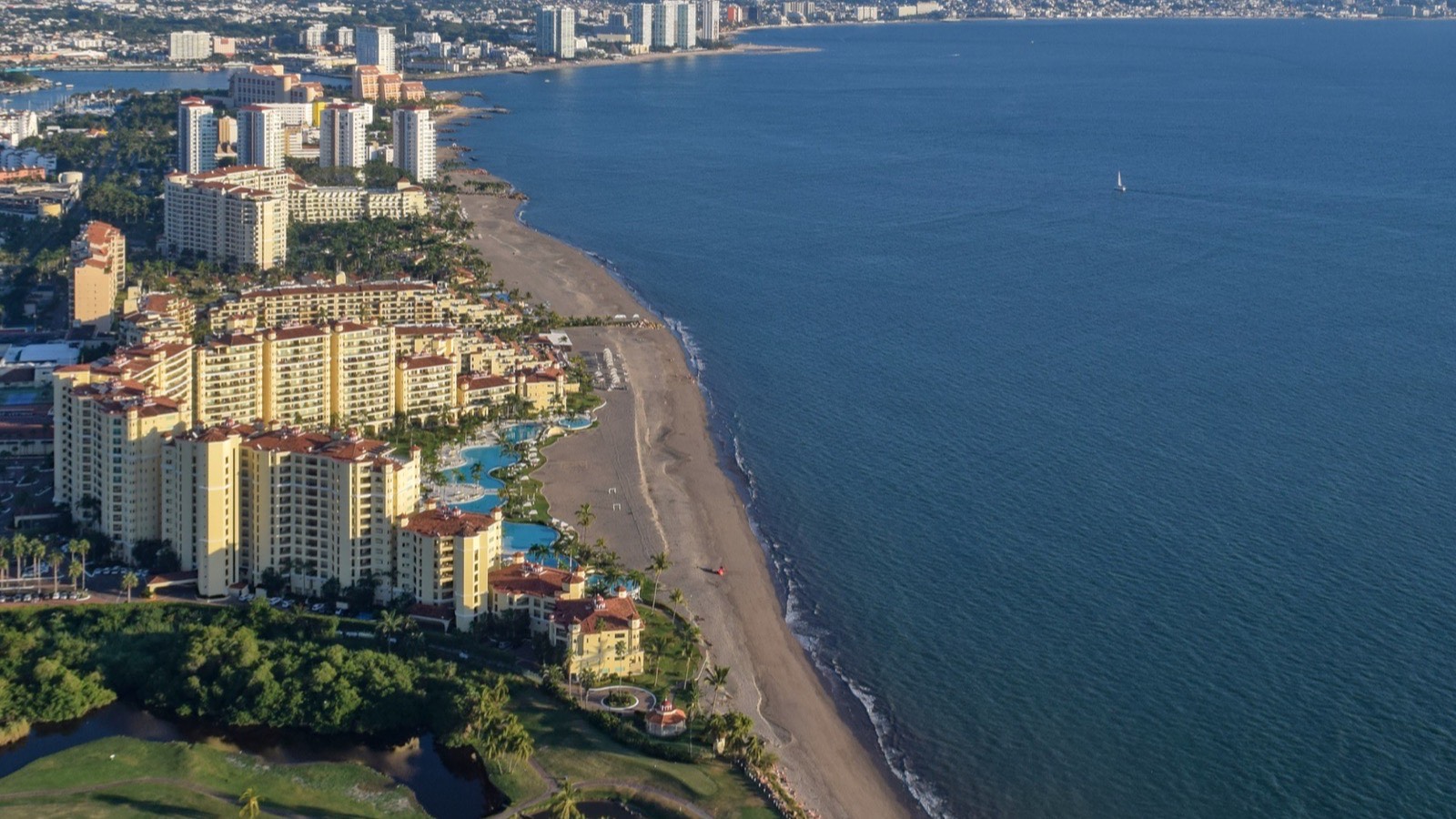
Puerto Vallarta stretches along Banderas Bay, and each area has its own character — from the walkable, restaurant-packed Old Town to the quiet marina and the beach towns up the coast. Use these guides to work out where to base yourself and what to see.
In the city
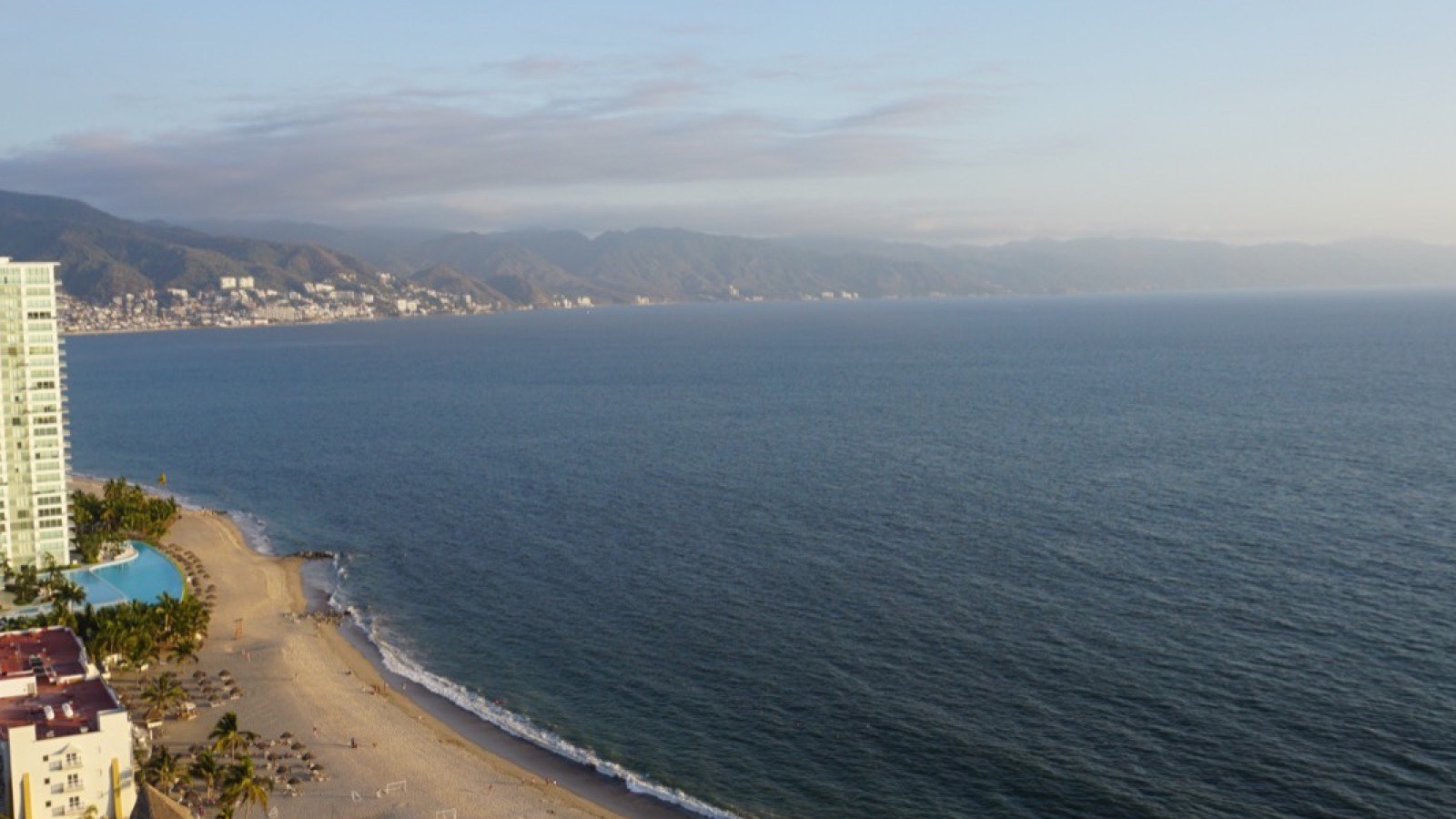
Amapas
Bay views above Old Town — and a steep walk home.
Read →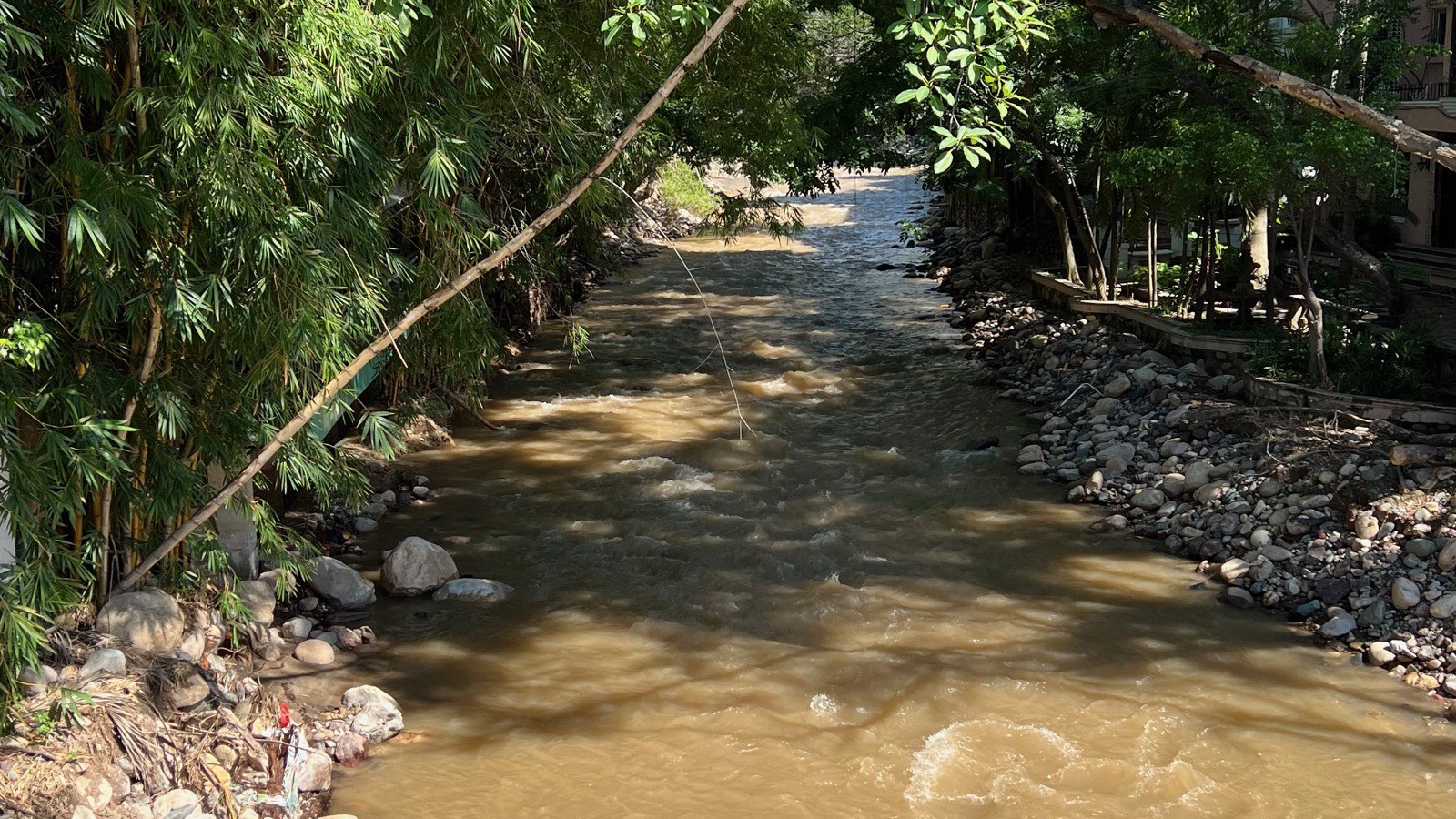
Downtown
The Malecón, the church and the civic heart.
Read →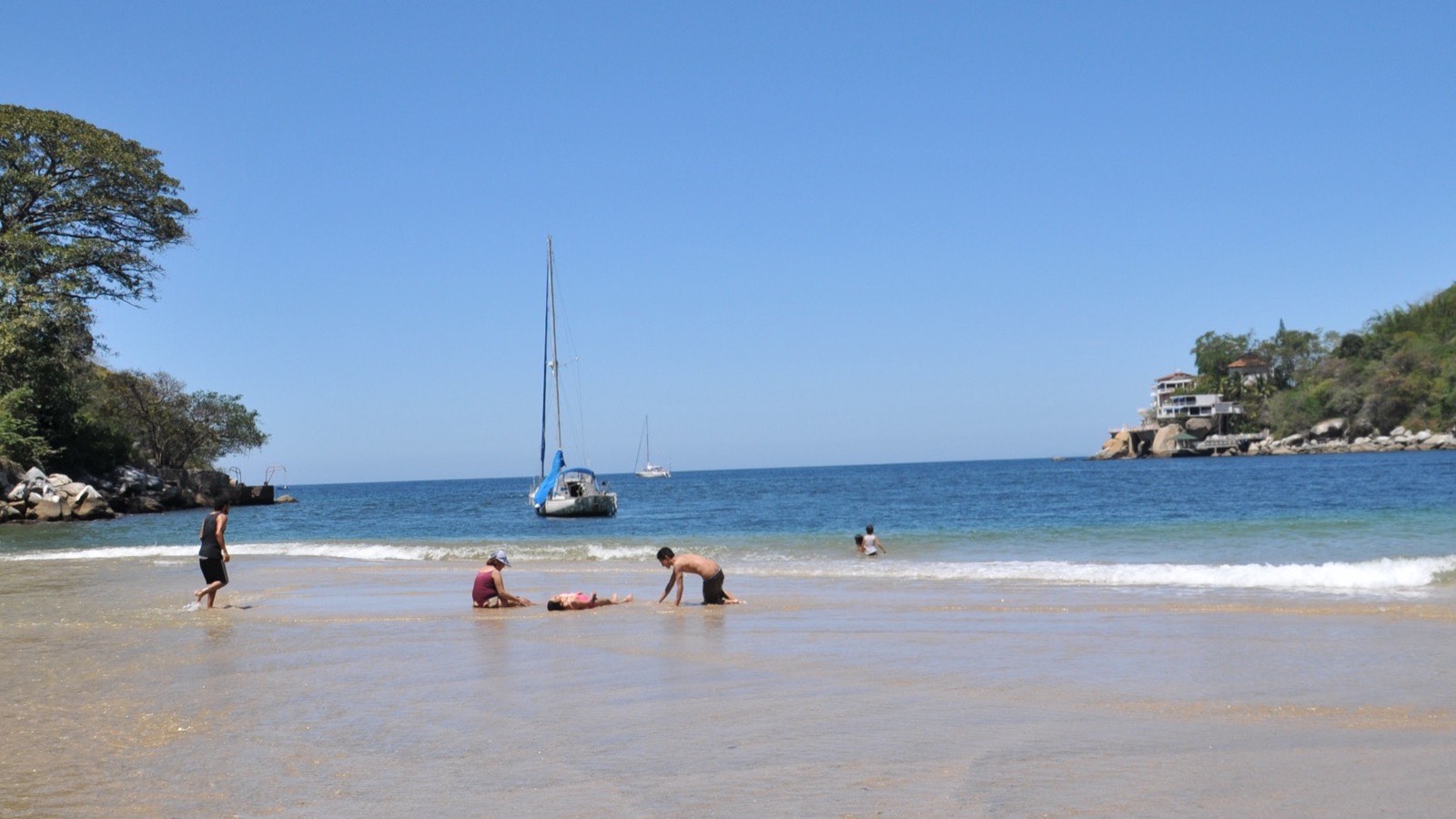
South Shore
Boat-only coves and villages south of the city.
Read →
Zona Romántica
The walkable heart: beach, food, nightlife.
Read →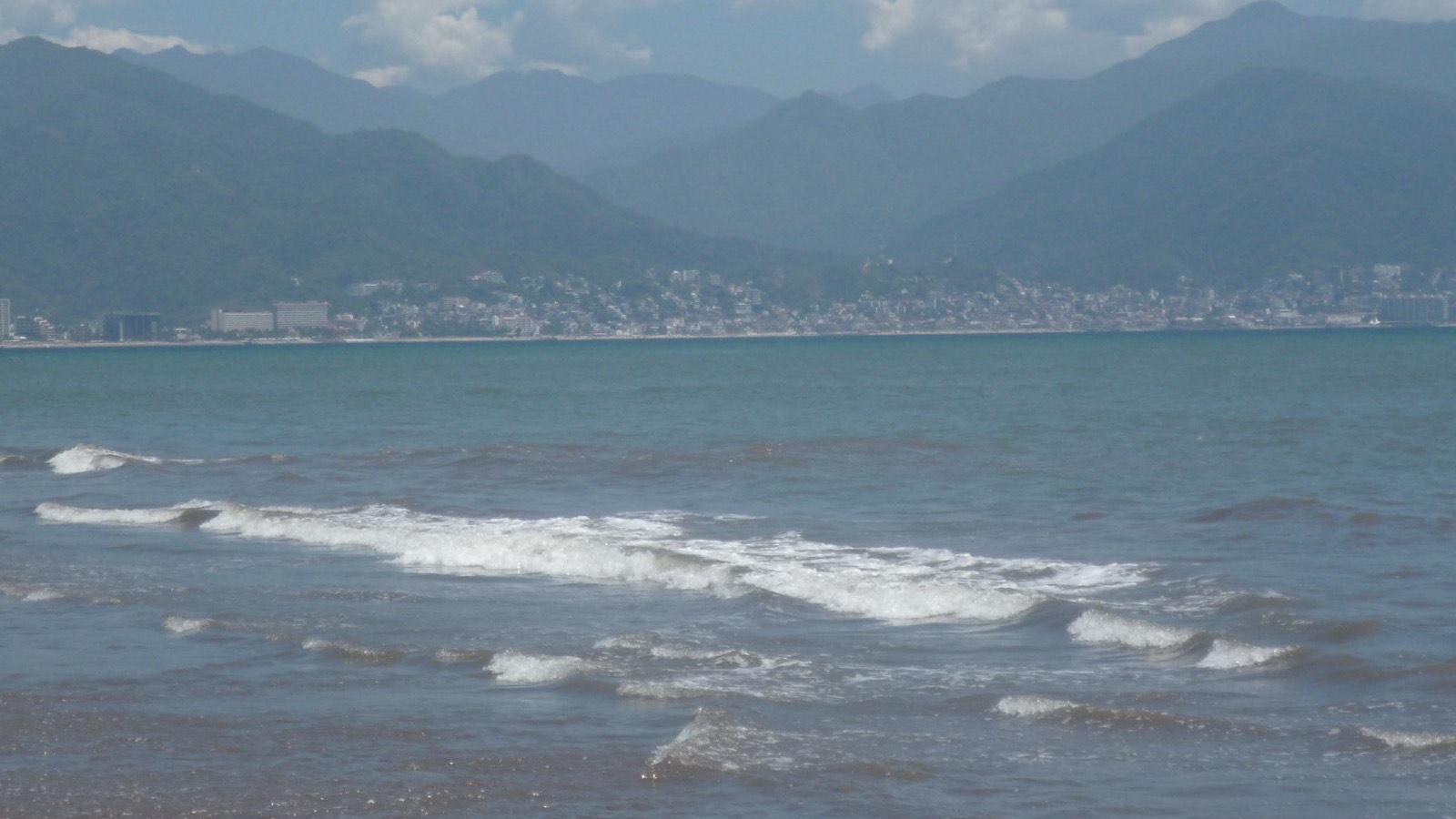
Hotel Zone
Big all-inclusive resorts and wide beaches.
Read →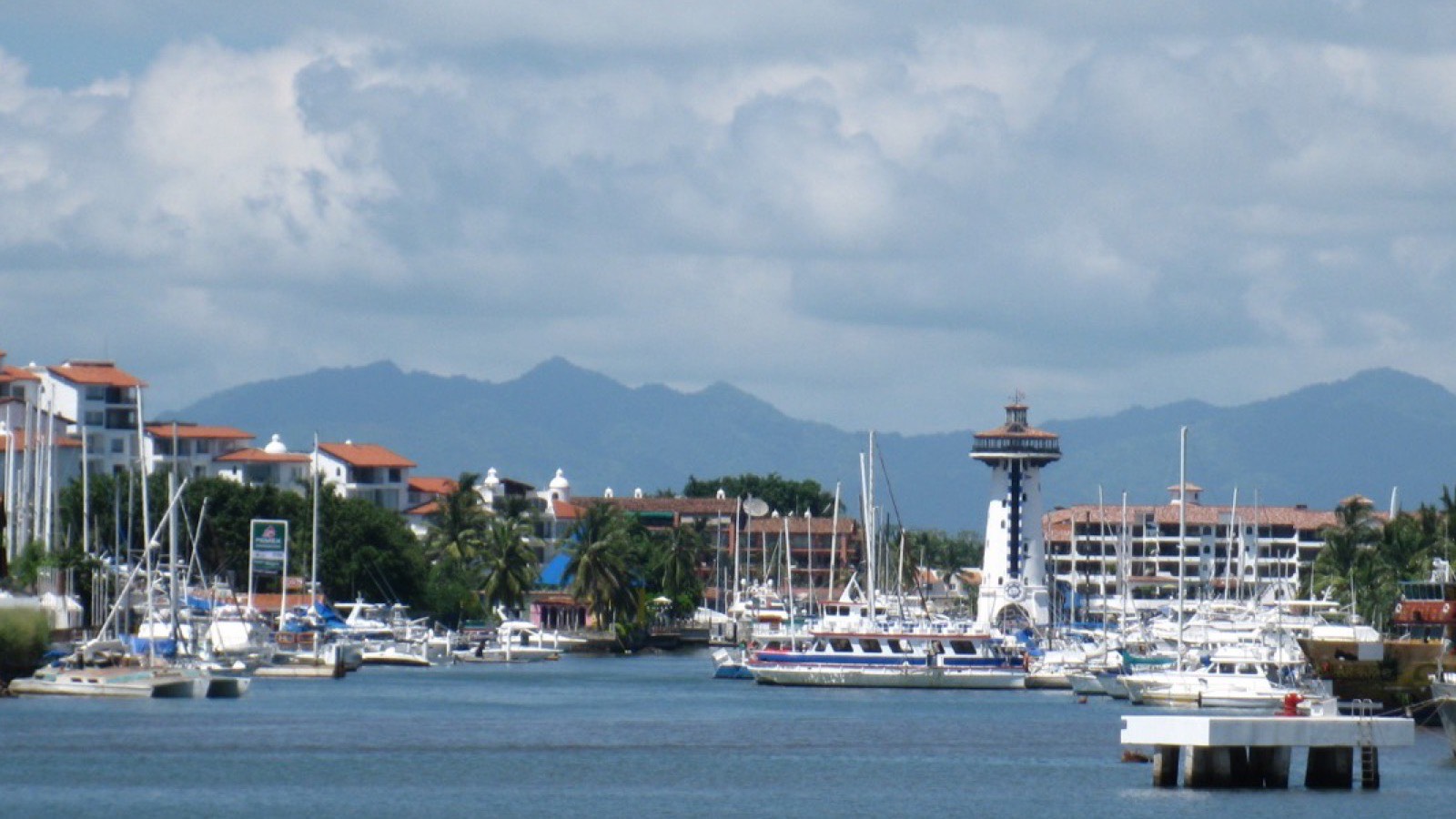
Marina Vallarta
Quiet, modern, by the airport and golf.
Read →
Conchas Chinas
Rocky coves just south of Old Town.
Read →Up and down the coast
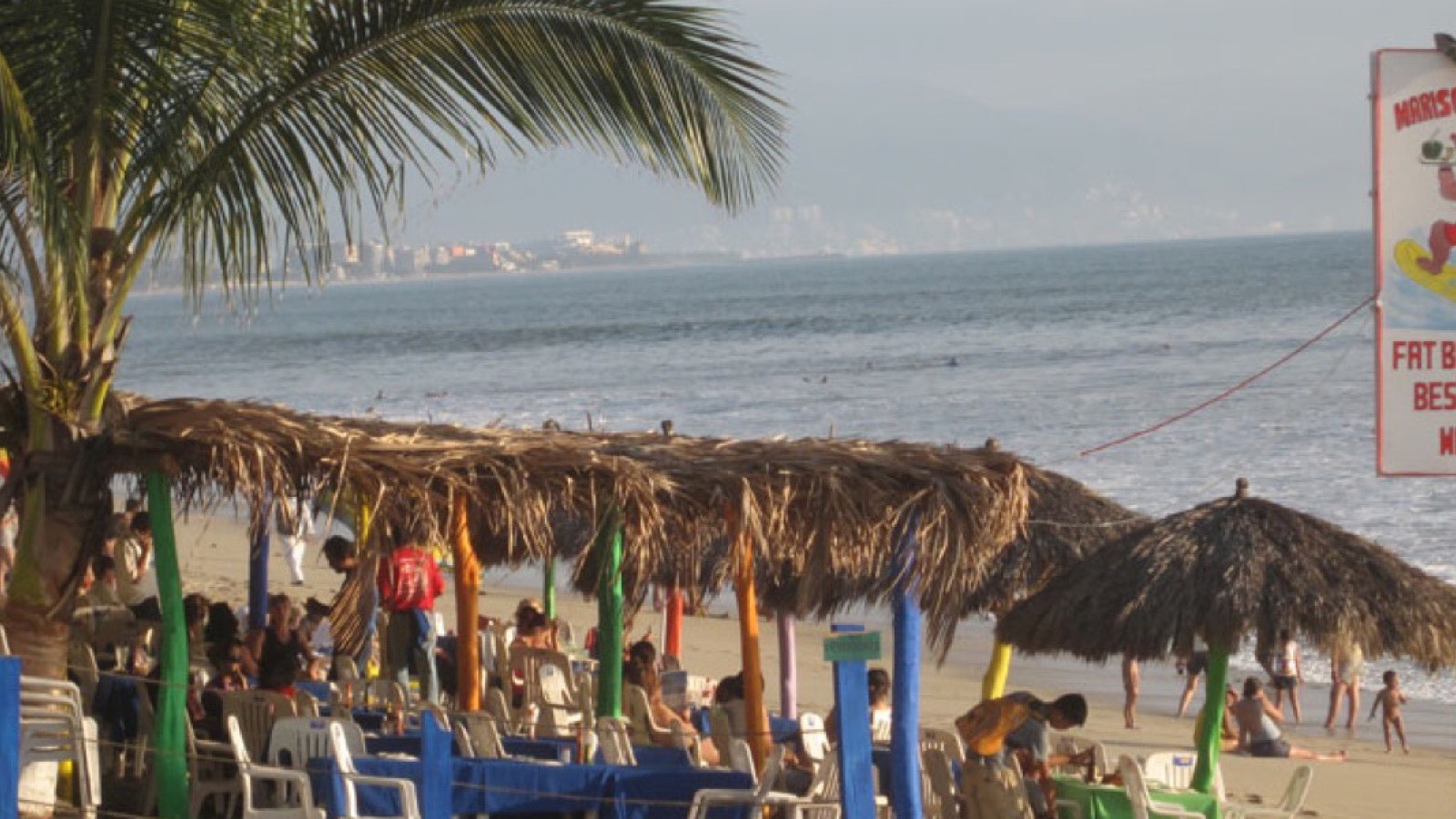
Bucerías
A relaxed local beach town near the airport.
Read →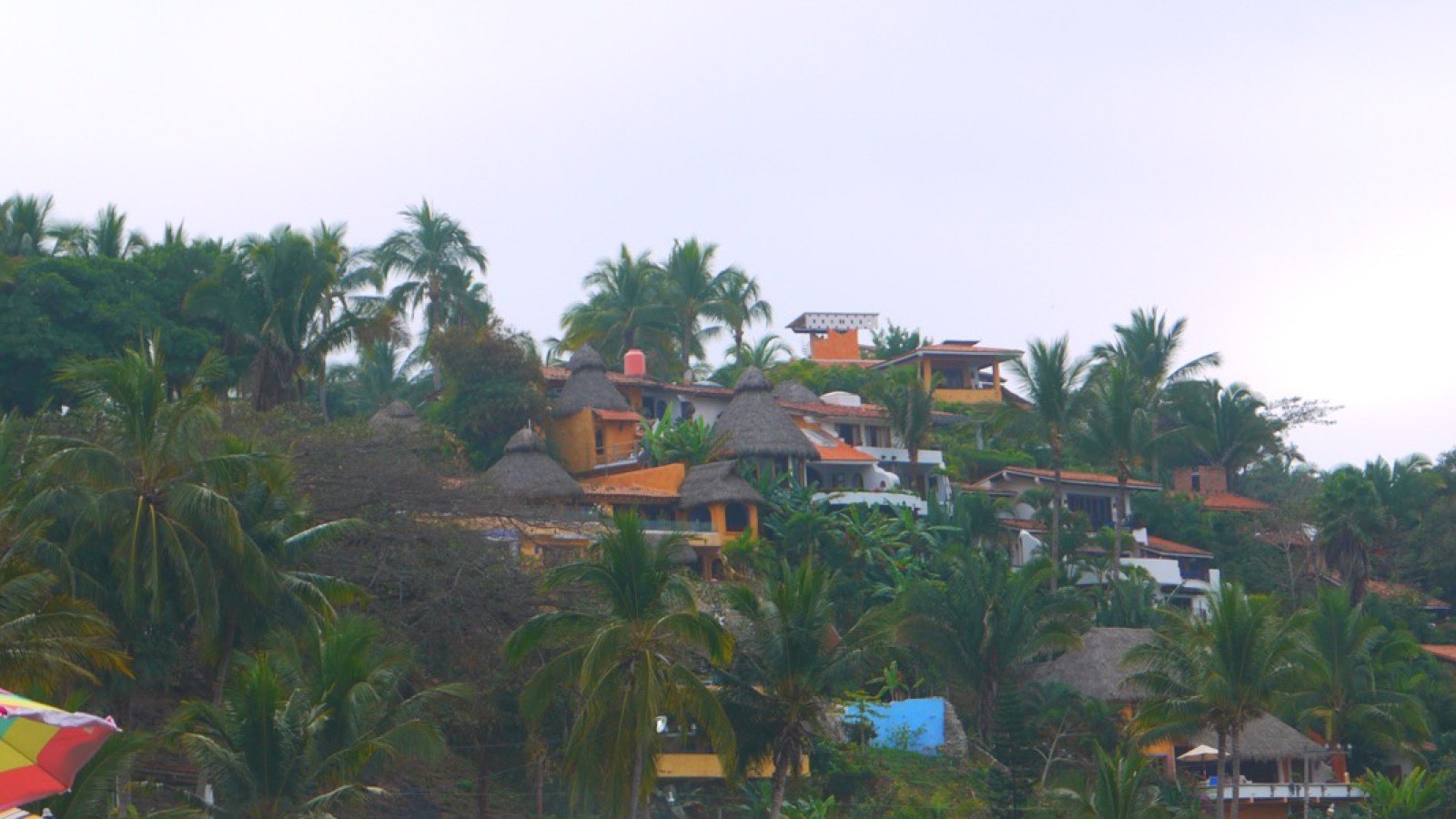
Sayulita
Surf-and-bohemia town, an hour up the coast.
Read →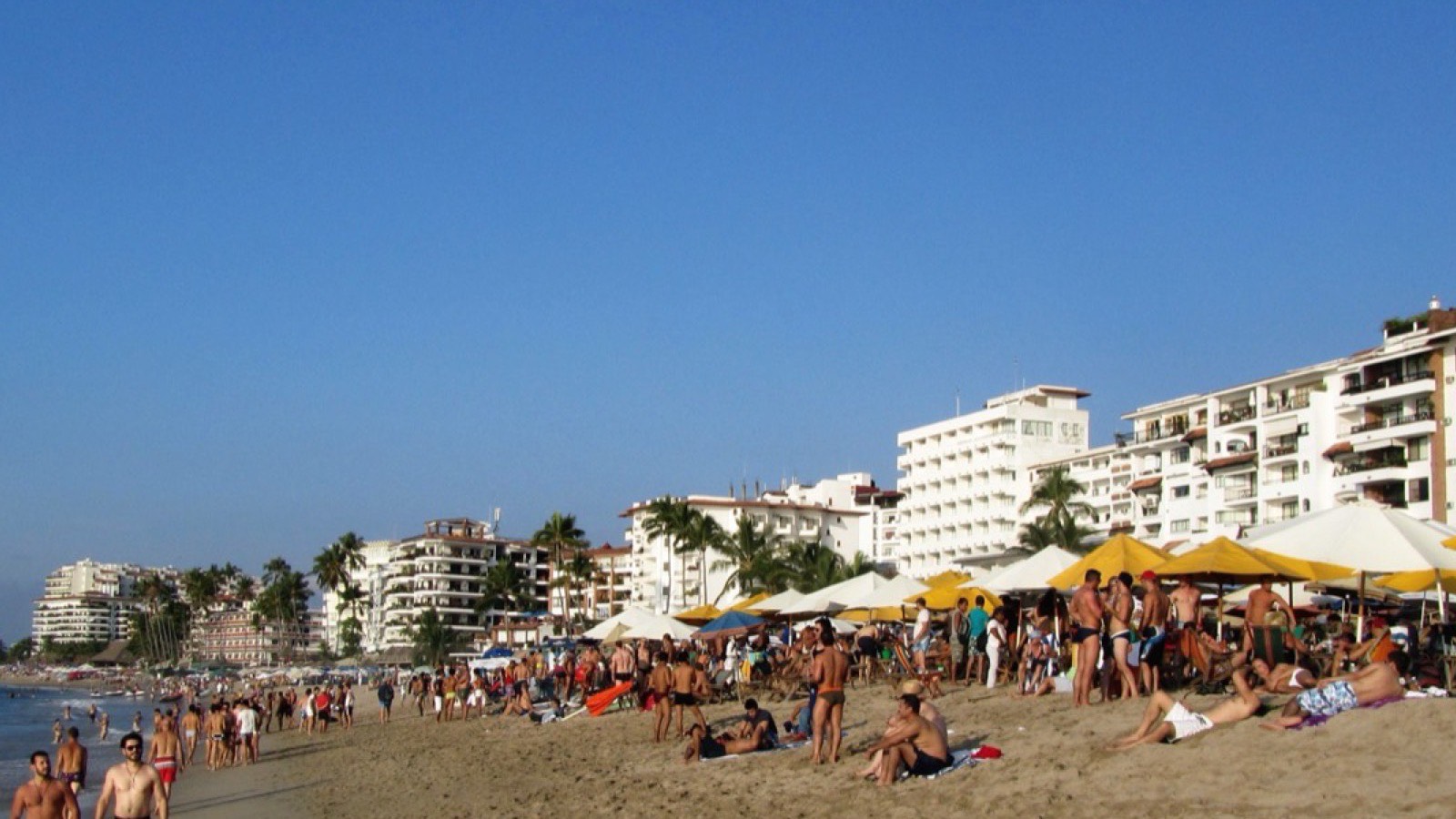
The Beaches
From Los Muertos to boat-only south-shore coves.
Read →How the city is laid out
Puerto Vallarta runs along the eastern shore of Banderas Bay, with the Sierra Madre rising immediately behind it — which is why the city is long and narrow rather than spread out. The Río Cuale cuts it in two and is the reference point for everything: south of the river is Zona Romántica (Old Town), north is downtown (El Centro), and beyond that the coast road runs north past the Hotel Zone, Marina Vallarta and the airport towards the state of Nayarit.
Head the other way — south past Conchas Chinas and Amapas — and the road eventually stops at Boca de Tomatlán. Everything beyond that, the south shore, is reachable only by boat.
Choosing where to base yourself
A quick orientation, in one line each:
- Old Town — walkable, best food and nightlife, lively beach. Most first-timers.
- Downtown — the historic and civic centre, the Malecón, festivals.
- Hotel Zone — resorts and the widest beaches, but you'll taxi into town.
- Marina Vallarta — quiet, golf, closest to the airport and cruise terminal.
- Conchas Chinas & Amapas — quieter, hillside views, short ride from Old Town.
- Bucerías & Sayulita — beach towns up the coast, a different pace entirely.
For the full comparison with pros and cons, see where to stay.
North or south?
A simple way to think about it: north of the city means bigger beaches, bigger resorts and more convenience; south means smaller coves, steeper streets, better views and more character. Old Town sits right at the hinge between the two.
Moving between areas
Local buses run the coastal road constantly and cost only a few pesos, linking Old Town, downtown, the Hotel Zone and the Marina. Taxis have no meters — agree the fare first. Water taxis from the Los Muertos pier serve the south shore. Full detail in getting around.