Sea Turtle Releases in Puerto Vallarta
When the season runs, where you can take part, and how to tell a release that helps the hatchlings from one that doesn't.
.jpg)
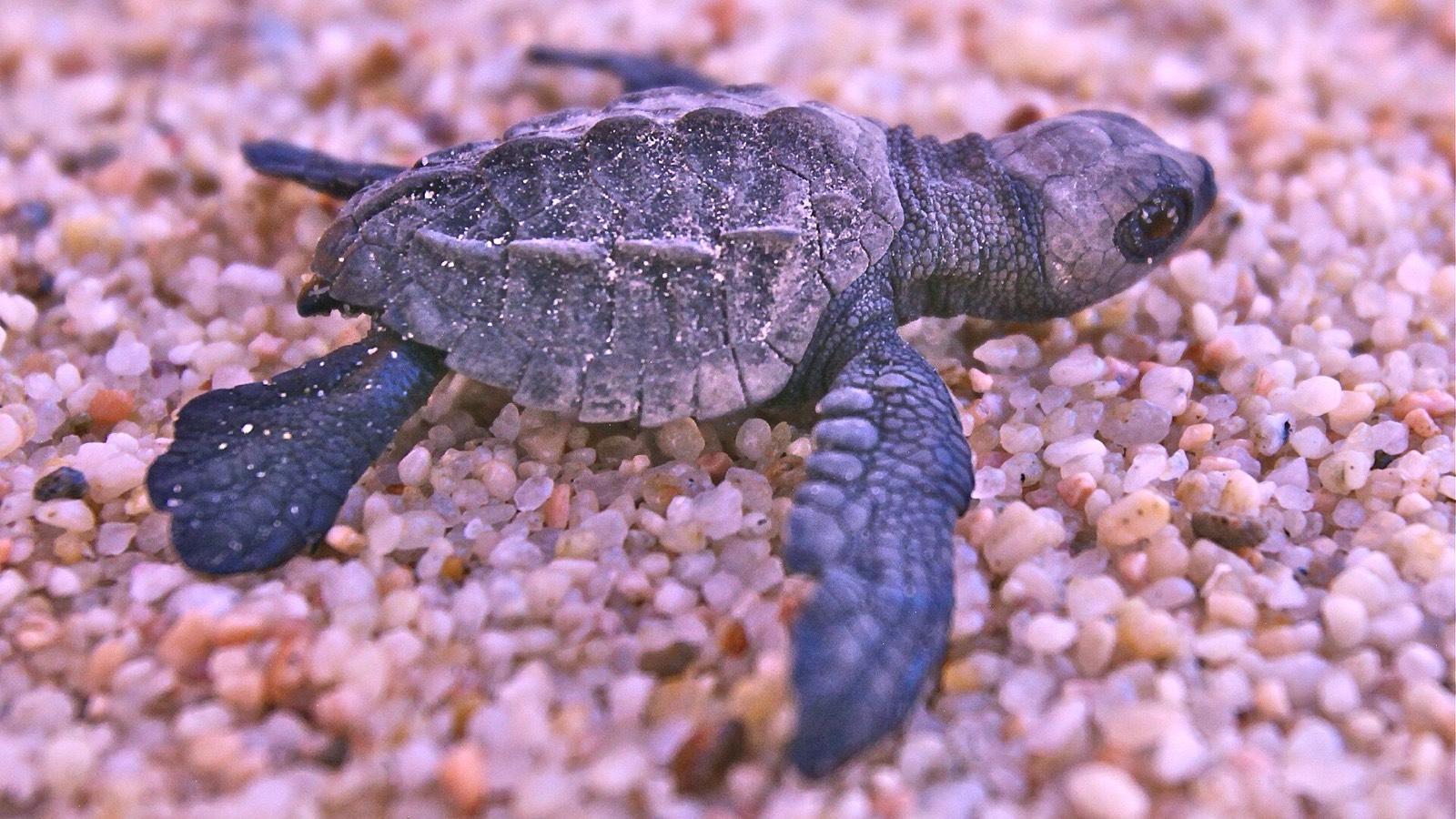
From late summer to the end of the year, olive ridley turtles come ashore to nest on the beaches of Banderas Bay, and conservation camps release the hatchlings at sunset. Watching a release costs little or nothing, and donations help fund the nest protection. Here's when it happens, where to go, how to tell a good release from a bad one, and the handful of rules that matter.
When the season runs
- Nesting: the season in Puerto Vallarta runs from 1 July to 31 December. Most nests are olive ridleys, known locally as golfinas.
- Releases: eggs take about 50 days to hatch, so releases start in September and continue to the end of the year.
- Time of day: releases take place around sunset, when there are fewer predators about and the sand has cooled.
- No fixed timetable: a release only happens when a nest hatches, so camps and hotels confirm on the day.
Where to see a release
Boca de Tomates turtle camp
The Campamento Tortuguero Boca de Tomates, on the beach north of the airport, is Puerto Vallarta's main turtle camp. In the 2025–26 season it protected more than 36,000 eggs and released 30,864 hatchlings. Visits start with a short talk on the camp's work; then hatchlings are handed out in coconut shells and released at the water's edge. Releases have been free, with donations welcome, and the tourism board has described groups of up to 40 people. Check the camp's Facebook page for that day's release.
Beachfront hotels
Several hotels protect nests on their own stretch of beach and invite guests to the releases. The 2026 season announcements name the Marriott, The Westin Playa Vallarta, Sunscape, Hyatt Ziva, Hotel Rosita, El Pescador and Velas Vallarta. These are mainly for guests, so ask at the front desk whether outside visitors can join. If you're still choosing a hotel, see beachfront hotels.
Eco-tours
Some local eco-tour operators include a release with a trained guide, which is an option if you'd rather have transport and a guide arranged for you.
Riviera Nayarit
North of the state line, the beach at Nuevo Vallarta has a long-running camp within Mexico's national turtle conservation programme. Further up the coast, near Sayulita, the Grupo Ecológico de la Costa Verde has protected nests in San Pancho for more than 30 years. It no longer gathers hatchlings for public releases (see below), but its adopt-a-nest scheme lets you sponsor a nest and receive photos when it hatches.
Not all releases are equal
The sunset release is a compromise. Hatchlings that emerge during the day are collected and kept until evening so that visitors can watch. In 2021 the San Pancho group stopped doing this. Its volunteers found that hatchlings held in baskets for hours became frantic and used up the little energy they need for the swim offshore. Its hatchlings now crawl to the sea on their own, the evening they emerge.
A release can still be done well, and camps work differently. Before you go, ask two things:
- Did these hatchlings emerge today? A release the same evening they leave the nest is the best sign.
- Will they crawl to the water themselves? They should be set down on the sand and left alone, not tipped into the waves.
How to take part without doing harm
- Don't touch the hatchlings. Camps use coconut shells for a reason: handling stresses them, and germs, sunscreen or insect repellent on your hands can harm them.
- No flash, no torches. Hatchlings head for the brightest horizon, and artificial light can send them the wrong way. Take photos without flash, or just watch.
- Don't help. Set them down where the guide tells you, and don't carry them into the sea or pick up stragglers: interfering makes them likelier to get lost.
- Give nesting turtles space. If you come across a turtle laying eggs at night, stay at least seven metres back, keep lights off and leave her path to the sea clear.
- Respect fenced-off nests and leave the beach clean: the city asks both of residents and visitors during the season.
- Never buy turtle eggs. Sea turtles are protected in Mexico, and taking or selling their eggs is a federal crime. Poaching is a real threat here: in September 2025 a local report said more than half of the roughly 450 nests recorded at Boca de Tomates had been looted.
What to expect
A release is short and low-key. You'll hear a talk, wait for the light to drop, then spend a few minutes at the water's edge watching the hatchlings go. Only about one in a thousand reaches adulthood, which is why the camps' work matters. If you enjoyed it, leave a donation: it helps pay for the night patrols and the hatchery.
Fitting it into your trip
Boca de Tomates is close to the airport and to Marina Vallarta, so it fits easily into an afternoon in the north of the city. Allow for traffic and arrive before sunset; see getting around for taxis and Uber. Releases continue into December, when the whale-watching season opens on the 8th, so a December trip can include both: see whale watching and the events calendar.