Puerto Vallarta Whale Watching
From December to March, humpbacks fill Banderas Bay. Outside those months, a "whale tour" is just a boat ride.
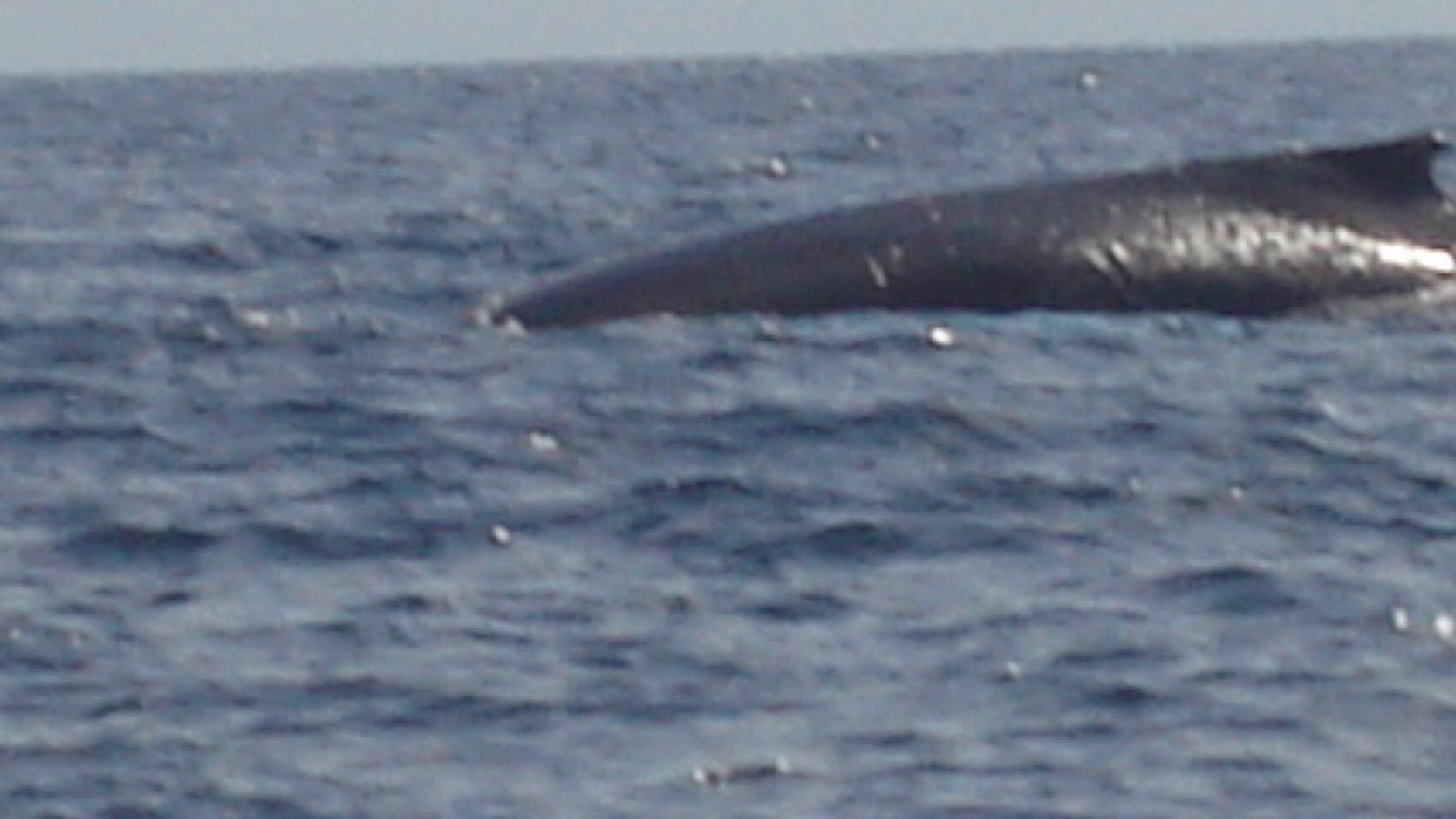
Every winter, humpback whales migrate thousands of kilometres to Banderas Bay to mate and calve in its warm, sheltered water. Seeing a 40-tonne animal breach a few hundred metres from the boat is, for most people, the single best thing they do in Puerto Vallarta.
When is whale season?
Roughly December to late March. The bay is a protected calving ground, and by law licensed tours only run in season. Anything sold as "whale watching" in, say, July is not one — it's a bay cruise. December and January are reliable; March can bring mothers with new calves.
What to expect
Half-day trips head out into the bay with a guide scanning for blows and tails. Sightings aren't guaranteed, but in peak season they're common. Reputable operators keep the legal distance from the animals and cut engines rather than chasing — that's the sign of a good one.
Pick a small boat with a marine-biologist guide over a big catamaran with a bar. You'll see more, learn more, and won't be sharing the rail with 90 people.
What it costs
Small-group tours typically run from around US$50–90 per person; premium photo-safari boats cost more. Many combine whales with snorkelling at the Marietas.
Which species you'll see
The stars are humpback whales, which travel from Alaska and the Pacific Northwest to breed and give birth in the bay's warm water. You'll often see mothers with calves, males "singing" below the surface, and dramatic surface behaviour — breaching, tail-slapping and pectoral-fin waving. Banderas Bay is also home year-round to bottlenose dolphins, and you may spot orcas or other whale species passing through, though those are luck rather than expectation.
How the rules protect the whales — and your trip
Whale watching in the bay is regulated. Licensed boats must keep a minimum distance (generally around 60 metres), approach slowly and from the side rather than head-on, limit how many boats surround one animal, and never cut off a whale's path. These rules exist for the whales, but they also tell you something as a customer: an operator who respects them is running a serious trip. One that charges the animals or crowds them is breaking the law and giving you a worse, less ethical experience. Ask about the licence before you book — reputable operators mention it upfront.
Small boat or big catamaran?
This is the choice that most affects your day. Small boats (pangas or rigid inflatables, often with a marine biologist aboard) get closer to the action, move quickly to sightings, and carry a handful of people who all get a clear view. Large catamarans are steadier, have toilets and a bar, and suit anyone prone to seasickness or travelling with kids — but you're sharing the rail with dozens of people and the boat can't dart to a distant blow. If seeing whales well is the priority, go small; if comfort matters more, go big and accept the trade.
What to bring and how to avoid seasickness
- Take motion-sickness tablets before you board if you're unsure — it's too late once you're out.
- Sunscreen, a hat and a light layer; the wind offshore is cooler than the beach.
- A zoom camera or phone with good stabilisation; whales surface without warning.
- Book a morning trip when the water is usually calmer and light is better for photos.
Frequently asked
Are you guaranteed to see whales?
No, but in peak season (December–March) sightings are very common. Some operators offer a free second trip if you see none.
Is it suitable for children?
Yes on the larger, calmer boats. For young kids, a catamaran is more comfortable than a small panga.
Can you combine whales with snorkelling?
Yes — many in-season tours pair whale watching with a stop near the Marietas.
Where the whales actually are
Banderas Bay is one of the largest bays in the Americas and unusually deep, which is why humpbacks choose it: sheltered water, warm enough for newborn calves, with easy access to open ocean. Tours generally work the middle and outer bay rather than hugging the shore, and the area around the Marietas Islands at the bay's northern mouth is a common hotspot. You do not need to go far offshore — this is one of the few places where a half-day trip gives a genuine chance of close encounters.
Reading the behaviour
Knowing what you're looking at makes the trip far better:
- Blow — the visible spout; usually the first sign, and what guides scan for.
- Breach — the full-body leap. Spectacular, unpredictable, and the shot everyone wants.
- Pec slap and tail lob — repeated slapping of fin or tail on the surface, often social or communicative.
- Fluke up — the tail lifting clear before a deep dive; the underside patterns are how researchers identify individuals.
- Mother and calf — a small blow beside a large one. Boats must be especially careful around pairs.
Photography without ruining the experience
A phone struggles at distance; a zoom lens or a camera with fast autofocus helps enormously. But the practical advice most people ignore: watch the first encounter with your eyes, not a screen. Whales surface without warning and fumbling with settings is how you miss it. Keep the camera ready but low, brace against the boat rather than the rail, and shoot in bursts.
Ethical operators — how to tell
A good crew cuts the engine and waits, keeps the legal distance, never positions the boat in a whale's path, and moves away if an animal shows stress. A bad one races other boats to a sighting. You can hear the difference from the deck — and the good ones see more, because calm animals stay up longer.
If you don't see whales
Sightings are very likely in peak season but never guaranteed. Several reputable operators offer a free repeat trip if you see nothing, which is worth asking about at booking — it also signals confidence. Even on a quiet day the bay usually delivers dolphins, turtles and seabirds.
Whale-watching tours
Compare in-season operators, boat sizes and reviews for your dates.
See whale tours →