Can You Drink the Water?
Short answer: don't drink from the tap — but the ice in your drink is almost certainly fine.
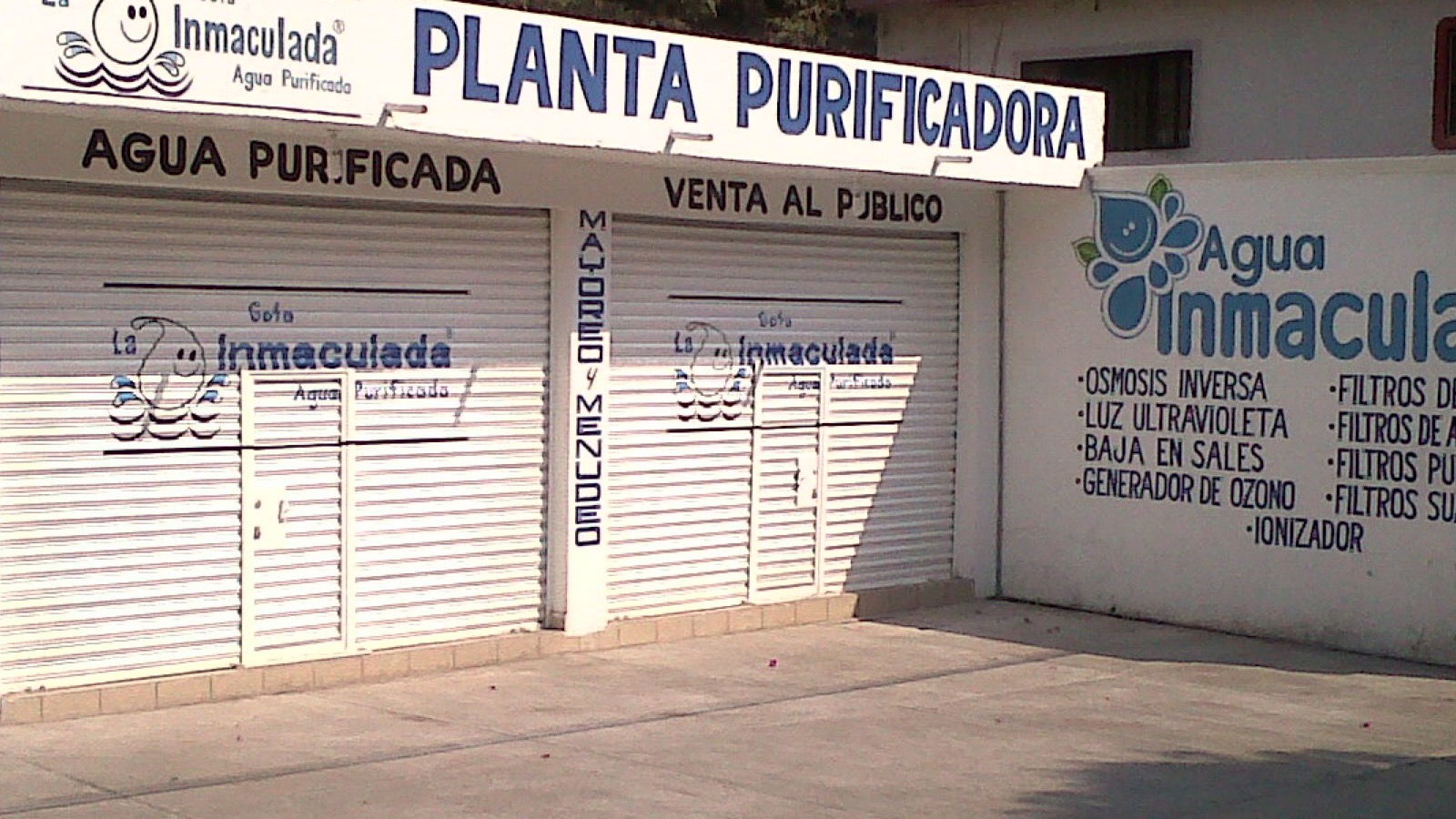

This is one of the most-asked questions about Mexico and the answer is more nuanced than "no". Don't drink water straight from the tap. Almost everything else you were worried about — ice, salads, brushing your teeth — is far less of a problem than the internet suggests.
The short version
| Verdict | |
|---|---|
| Tap water, drunk straight | No |
| Bottled or jug (garrafón) water | Yes — this is what everyone drinks |
| Ice in bars and restaurants | Generally yes, in the city |
| Brushing your teeth with tap water | Fine for most people |
| Showering, washing | Fine |
| Salads and raw vegetables in established restaurants | Generally fine |
| Coffee, tea and cooked food | Fine |
Why not the tap, exactly?
The issue is usually not the water leaving the treatment plant — it's what happens between there and your glass. Older distribution pipes, rooftop storage tanks and building plumbing are the weak links, and standards vary enormously from one building to the next. Locals don't drink tap water either; that fact alone is the clearest guide there is.
What people actually drink
Purified water, bought in large refillable jugs called garrafones — the blue 20-litre bottles you'll see stacked outside shops and delivered to homes. Most rentals and condos either provide one with a dispenser or have one delivered cheaply on request. If you're self-catering, ask your host; buying a garrafón is a fraction of the cost of small bottles and generates far less plastic. Small bottles are sold everywhere, including at every Oxxo.
Hotels generally provide bottled water in the room, and many have purified-water dispensers on each floor. Resorts run their own purification and their tap water is often drinkable — but confirm with the property rather than assuming.
Ice, the question everyone asks
Ice in Puerto Vallarta's restaurants, bars and hotels is made commercially from purified water and is generally safe. The tell is that commercial ice is uniform — cylinders with a hole, or neat cubes from a machine. It's one of those risks that looms much larger in traveller folklore than in practice, and worrying about it will cost you more enjoyment than it saves you trouble. If you're somewhere very rural and the ice looks like it was chipped off a block of unknown origin, skip it.
Brushing your teeth
Most visitors use the tap and are completely fine — the quantity swallowed is negligible. If you're travelling with small children, have a sensitive stomach, or simply prefer not to think about it, use bottled water. Neither choice is wrong.
Reducing the plastic
A week of small bottles produces a depressing amount of waste. Better options: a refillable bottle topped up from your accommodation's garrafón or dispenser, or a filter bottle if you want to be self-sufficient. Many cafés will refill a bottle if you ask.
If you do get ill
Most holiday stomach upsets in Mexico are not waterborne at all. They're a combination of unfamiliar bacteria, richer and spicier food than you're used to, more alcohol, more sun and less sleep. That said:
- Rehydration is the treatment that matters. Oral rehydration salts and electrolyte drinks are sold in every pharmacy and convenience store, and they work far better than water alone.
- Pharmacies are everywhere, often with a doctor attached for a very small consultation fee. This is the normal first stop, not a hospital.
- See a doctor properly if there's a high fever, blood, or symptoms lasting beyond a couple of days, or for young children.
- Bring a basic kit — see what to pack.
Eating well without worrying
The single best predictor of whether food is safe is how busy the place is. High turnover means fresh food, and a stand with a queue of locals is a better bet than an empty restaurant with a laminated menu. Puerto Vallarta's street food is one of the real pleasures of the city and avoiding it on principle would be a mistake — see where to eat and food tours.