SIM Cards, eSIM & Mobile Data
Check your own plan first — a lot of visitors buy a SIM they didn't need.
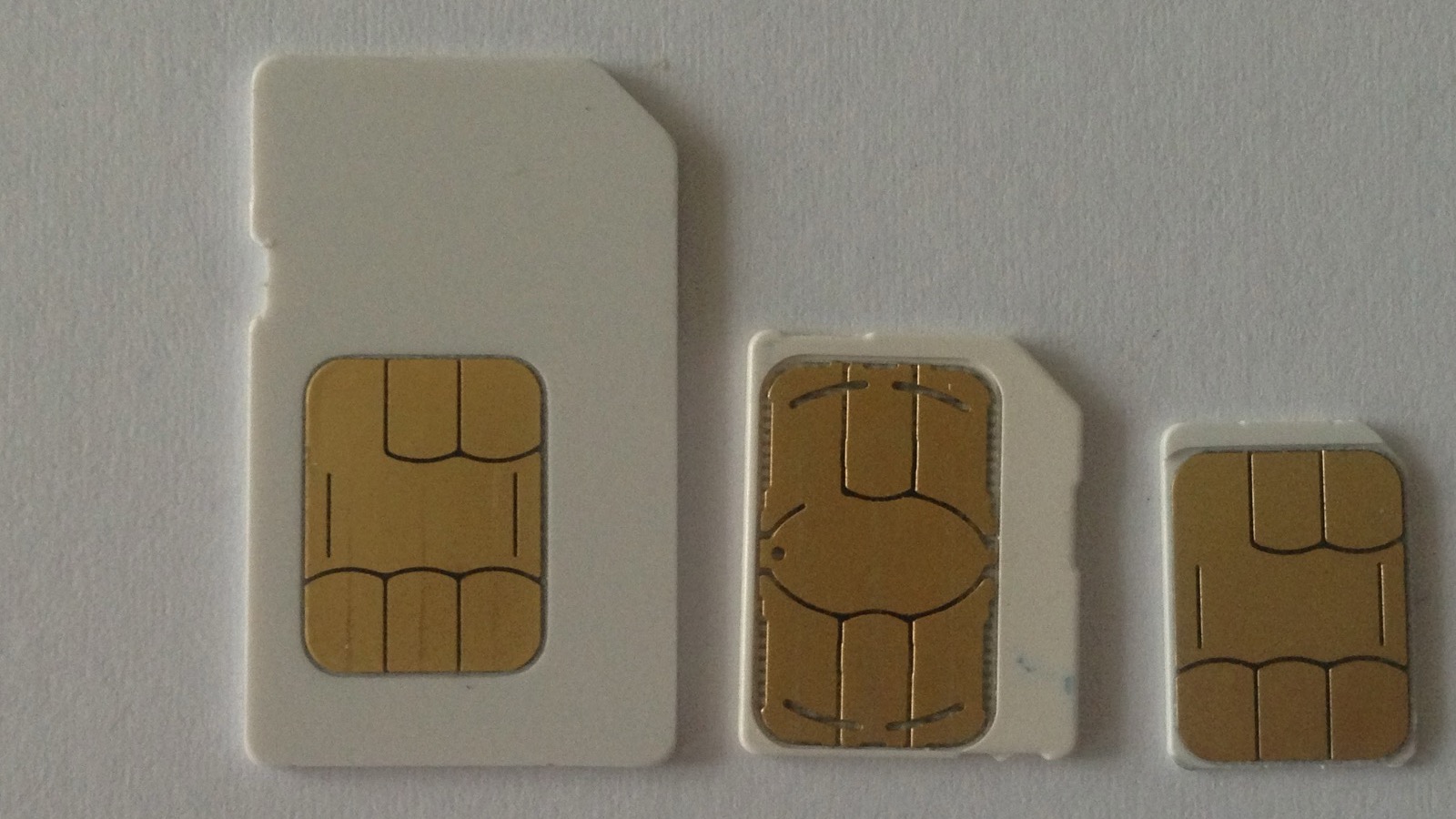

Staying connected in Puerto Vallarta is easy and cheap, and for a good number of visitors it costs nothing extra at all. Work through these in order — most people can stop at the first step.
Step one: check what you already have
Many North American mobile plans include Mexico at no extra charge, bundling the United States, Canada and Mexico into a single domestic zone. If yours does, you land, your phone connects, and there is nothing to buy. Check before you travel rather than assuming either way — the same carrier often includes Mexico on some plans and charges daily roaming on others.
From Europe, the UK or Australia, roaming in Mexico is usually expensive and sometimes capped at a painful daily rate. That's the case where buying local data is genuinely worth it.
Step two: decide between a physical SIM and an eSIM
| Local physical SIM | eSIM | |
|---|---|---|
| Best for | Longer stays, cheapest data, wanting a Mexican number | Short trips, arriving connected, convenience |
| Set up | In person, after you land | Before you leave home, in minutes |
| Mexican phone number | Yes | Usually not — most are data-only |
| Phone must be | Unlocked, with a SIM tray | eSIM-capable and unlocked |
| Cost | Generally the cheapest per gigabyte | More per gigabyte, less hassle |
A Mexican number matters more than people expect: it's what restaurants, tour operators and drivers will ask for, and some local services won't accept a foreign number for confirmations.
Buying a local SIM
The three national carriers are Telcel, AT&T Mexico and Movistar. Telcel has the widest coverage by a clear margin, which matters the moment you leave the bay for a day trip or head up into the hills — the others are fine in the city and thinner outside it.
- Where: the arrivals area at the airport, carrier shops in the malls and the Hotel Zone, and — most conveniently — Oxxo convenience stores, which are on what feels like every other corner.
- What to bring: your passport and an unlocked phone. Staff will usually set it up for you in the shop, which is worth accepting.
- Prepaid is the norm. You buy the SIM with a data package, and top up (recarga) at any Oxxo, pharmacy or supermarket when it runs out — you can top up by amount, not just by package.
- Packages are sold by data and validity, typically in blocks of days or weeks, and many include social messaging apps that don't count against the allowance.
Ask the shop to test data before you leave the counter. Getting a SIM working is a two-minute job in person and an irritating one alone in a hotel room.
Using an eSIM
If your phone supports it, an eSIM bought online before you fly is the least-effort option: you install it at home, it activates when you land, and your home number stays live on the other line for calls and messages. The trade-offs are that you pay more per gigabyte, you generally don't get a Mexican number, and you're dependent on the provider's roaming partner rather than choosing the network yourself. For a week-long trip where you mostly need maps, WhatsApp and a ride-hailing app, it's the sensible choice.
What coverage is actually like
- The city and the whole bay: good. Old Town, the Malecón, the Hotel Zone, the Marina and Nuevo Vallarta are all well served.
- The south shore: patchy. Yelapa and the boat-access villages have limited or no signal in places — treat them as offline days and download maps first.
- On the water: expect to lose signal on boat trips, including out at the Marietas.
- Up the coast into Nayarit: fine along the highway and in Sayulita.
Wi-Fi
Wi-Fi is close to universal in hotels, rentals, cafés and restaurants, and is usually free and usually adequate. It is not a substitute for mobile data if you plan to use maps or call a ride while out — but if your trip is hotel, beach, restaurant, repeat, you can genuinely get by on Wi-Fi alone. Treat public networks as public: avoid banking on them, or use a VPN.
One local habit worth adopting
WhatsApp is the default way people communicate in Mexico, including businesses. Tour operators, drivers, restaurants and rental hosts will very often prefer a WhatsApp message to a phone call or an email, and many will reply faster on it. Whatever you do about a SIM, have it installed before you arrive.