Scuba Diving in Puerto Vallarta
Walls, pinnacles and giant mantas: the dive sites of Banderas Bay, when to go, and what to know before you book.
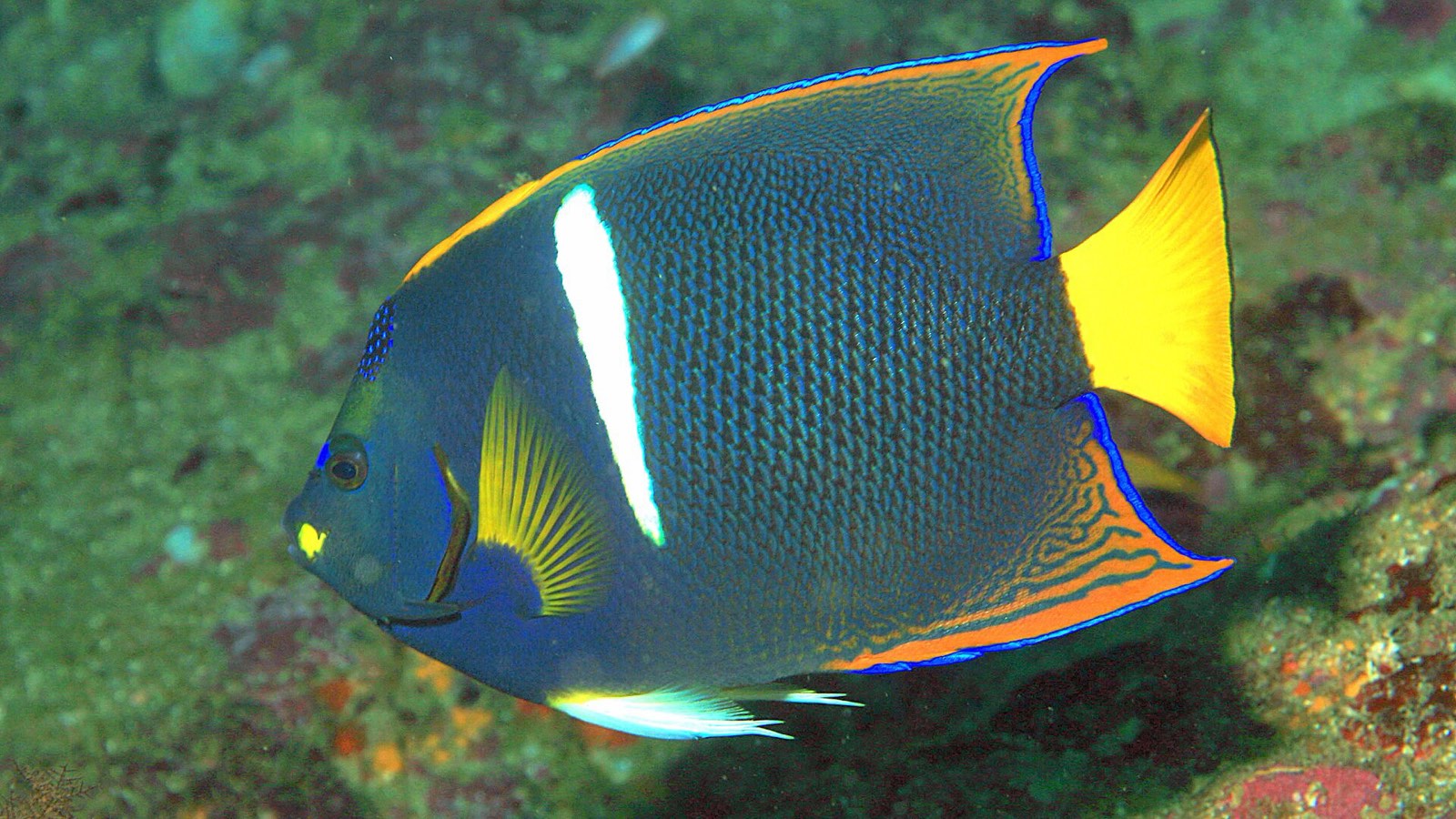

Banderas Bay isn't the Caribbean: the water is cooler and the visibility more modest. But it has things few dive destinations can match: a submarine canyon that drops more than 1,400 metres close to shore, offshore pinnacles for experienced divers, and one of Mexico's best places to meet giant oceanic manta rays. Here's where to dive, when, and what to know before you book.
The dive sites
| Site | Depth | Level | Why go |
|---|---|---|---|
| Los Arcos | Recreational dives usually to 18 m (12 m on intro dives) | All levels | Granite islets off Mismaloya at the edge of the bay's canyon; the wall is where most tagged mantas have been detected |
| Islas Marietas | 7.5–23 m | Beginners | A national park; diving only with authorised operators |
| El Morro | Down to 45 m | Experienced | A rock 12 km west of the Marietas, with walls, caves and a 15 m tunnel; operators ask for Advanced certification and about 20 logged dives |
| Chimo | Reef from about 9 m dropping past 60 m; dives typically 12–25 m | Open Water | The south side of the bay, with rock pinnacles known as Las Iglesias, and mantas |
| La Corbeteña | Down to about 36 m | Advanced only | An offshore rock roughly 65 km from Nuevo Vallarta, with strong currents and sometimes rough seas |
When to go
- Water temperature: about 23°C in March and 30°C in September. In winter, cold upwelling can drop the surface to 20°C and lift the thermocline to about 20 m, and below 40 m it stays around 18°C. A 3 mm wetsuit suits summer; many divers prefer 5 mm in winter.
- Visibility: typically around 10–12 m. A 2023 study of the bay found the water clearest from June to August and murkiest from February to April, when plankton blooms. That's the opposite of the usual "winter is best" advice.
- Manta rays: tagged oceanic mantas were present from January to March and again from May to early October, in water of 25–29°C. Researchers say April brings the most sightings.
- Humpback whales: in the bay from December to March, when whale-watching boats must stay 1.5 km from the Marietas. See whale watching.
What you might see
PADI lists green and hawksbill turtles, giant Pacific mantas, spotted eagle rays and mobulas, moray eels, octopus, lobsters, nudibranchs, jacks, snappers, angelfish and pufferfish, and dolphins are sometimes seen at the offshore sites. Around 500 individual mantas have been photo-identified in the bay. Three in ten carry injuries from nets or boat propellers, a reminder to keep your distance.
Diving in the Marietas
- Who can dive: the islands have been a national park since 2005. Diving is allowed only through operators authorised by CONANP, the national parks agency, with certified guides, and you need a valid certification.
- Rules: dives run between 8 am and 6 pm, in permitted zones only; boats slow to 4 knots in dive areas; no touching or feeding wildlife.
- Park fee: a federal fee of around MXN 120 per person per day, usually collected by the operator. Mexican nationals and residents pay half, and under-12s are exempt.
- The Hidden Beach is off limits to divers: no diving and no fins there. The park is closed on Mondays; check other days with your operator.
The state of the reefs
Come for the big animals and the rock formations rather than coral gardens. At the Marietas, coral cover fell from 25% in 1995 to 4.3% by November 2023, after severe bleaching during El Niño. A restoration project by Pronatura and Seacology began in 2025, and by January 2026 had planted out 325 corals, most of them surviving. Don't touch anything, and use reef-safe sunscreen.
Learning and safety
- Discover Scuba: a first try with an instructor, from age 10, to a maximum of 12 m in open water. It isn't a certification, but it counts towards one.
- Open Water course: from age 10, certifies you to 18 m with a buddy, and usually takes three to four days.
- Flying after diving: DAN advises waiting at least 12 hours after a single dive, 18 hours after several dives or several days of diving, and longer after decompression dives. Plan your last dive around your flight.
- Emergencies: we couldn't confirm a 24-hour recompression chamber in Puerto Vallarta, so ask your operator about their emergency plan and consider dive insurance that covers evacuation.
Not certified and not ready to try? The same sites are good for snorkelling; see snorkelling and Los Arcos.
Latest articles
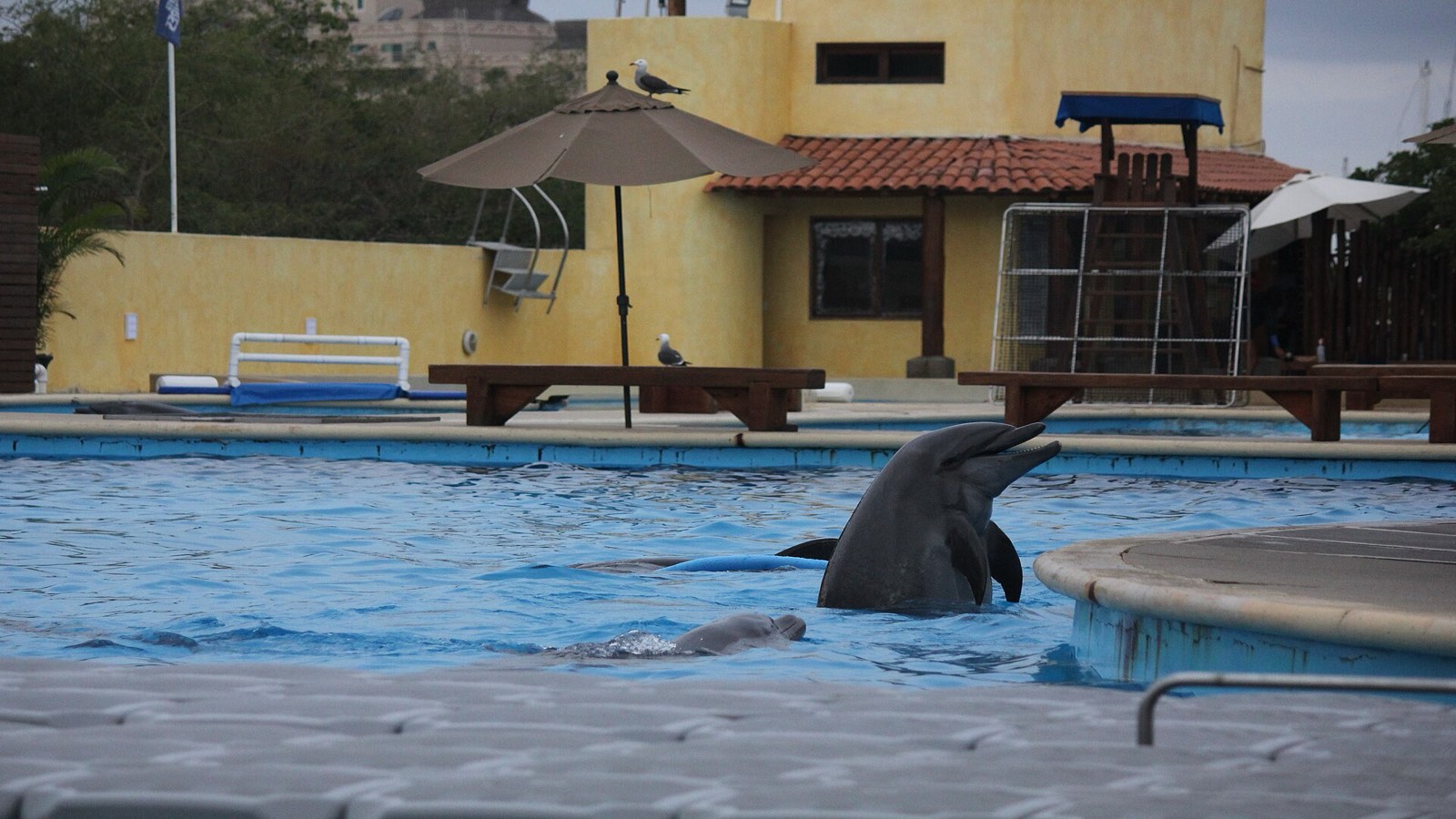
Swimming with Dolphins in Puerto Vallarta
What the dolphin programmes involve, what Mexico's 2025 law changed, and how to see dolphins in the wild…
Read →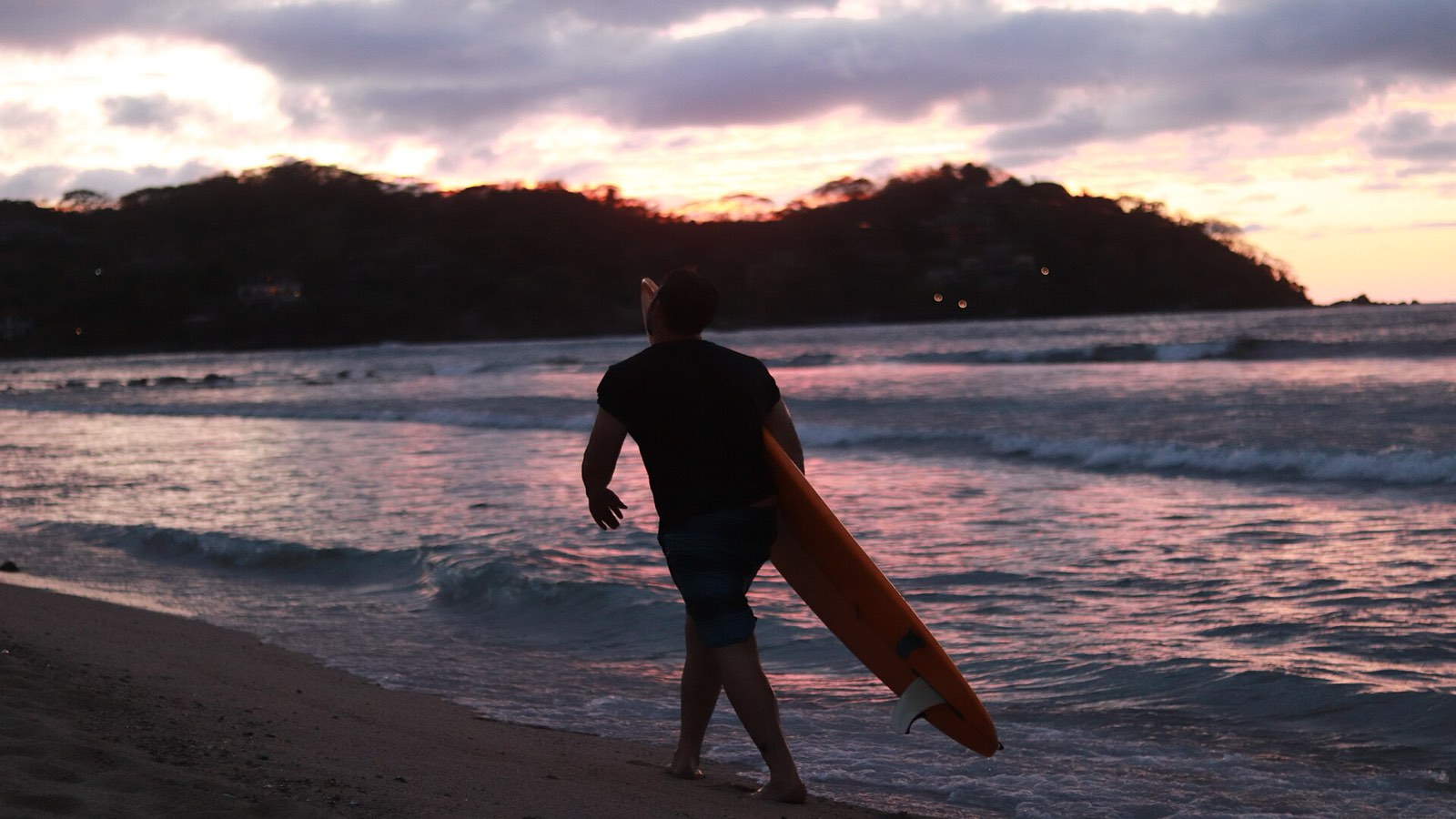
Surfing Near Puerto Vallarta
The waves aren't in town: they're at Punta de Mita and Sayulita, 40 minutes to an hour up the coast. Where to…
Read →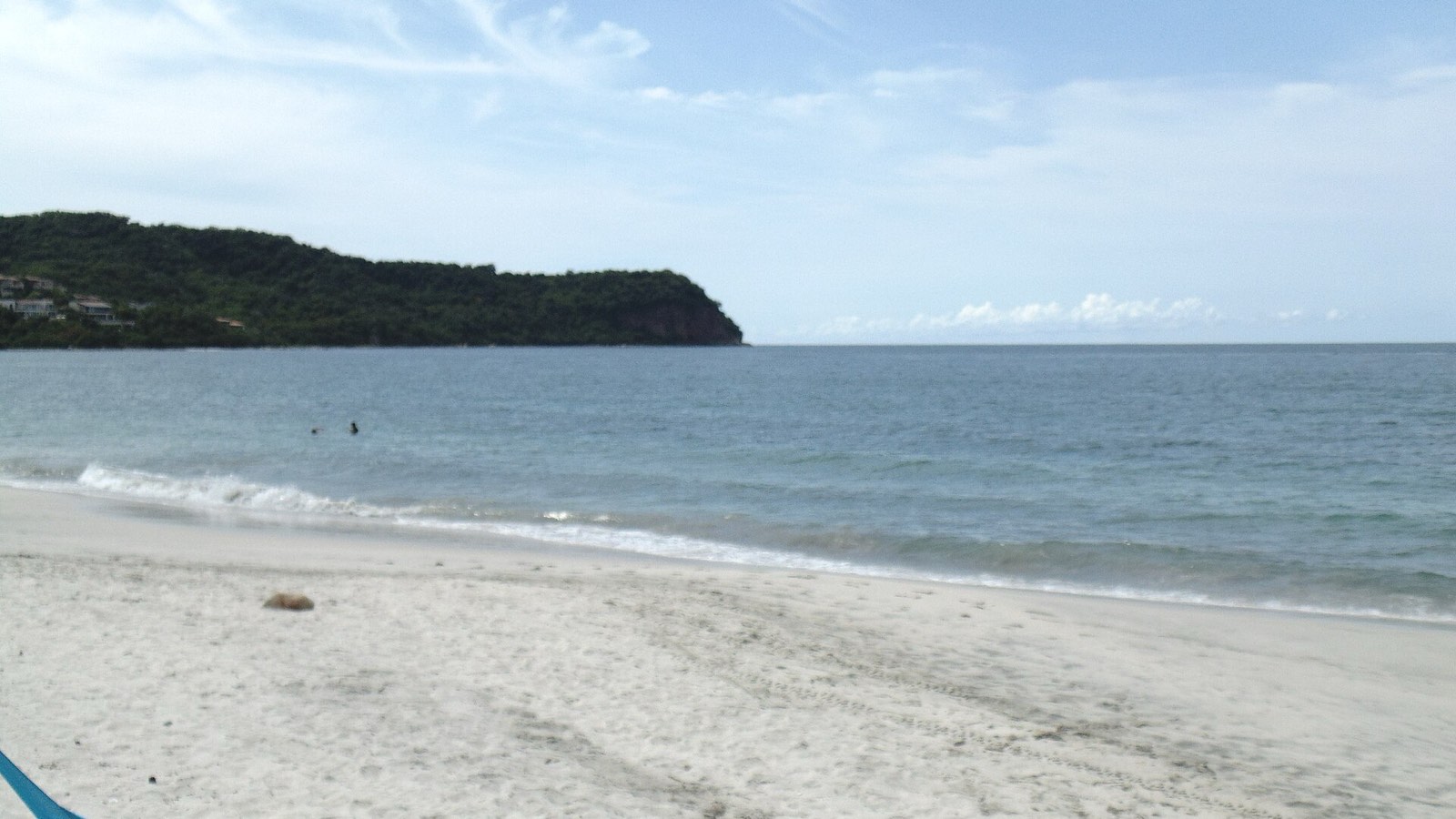
Punta de Mita
The northern tip of Banderas Bay: a gated luxury resort on one side, a fishing village with beach restaurants…
Read →